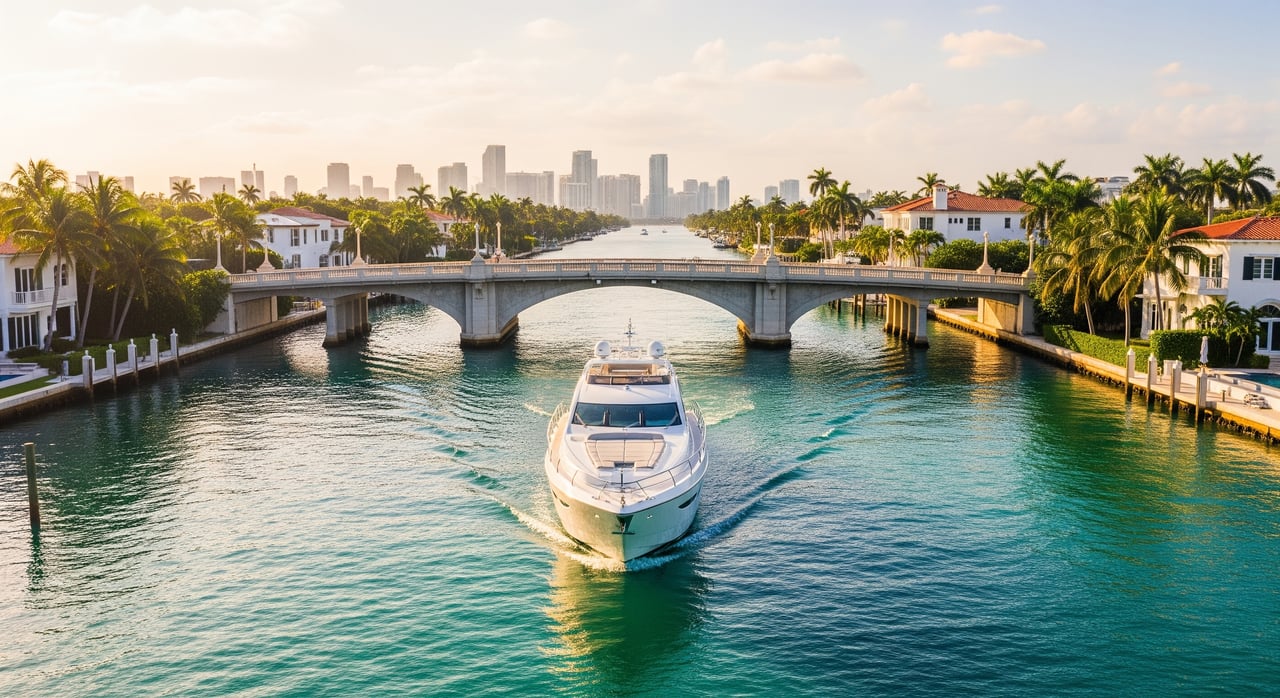
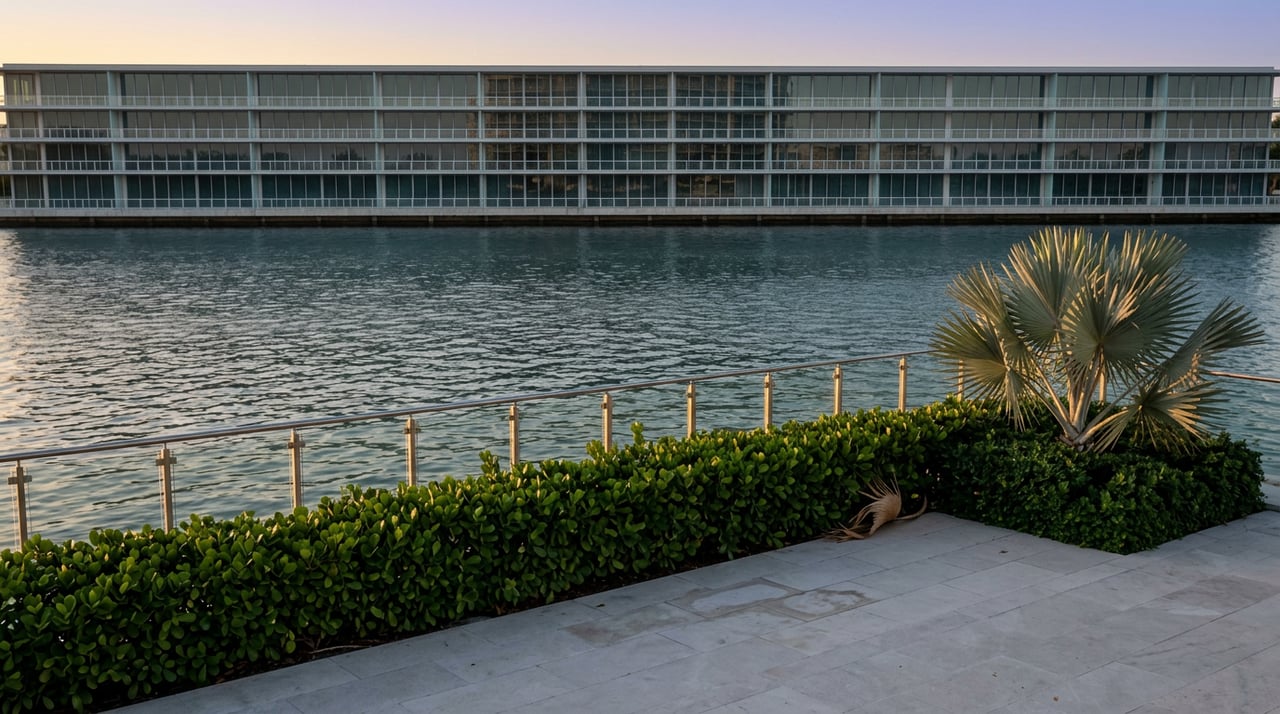
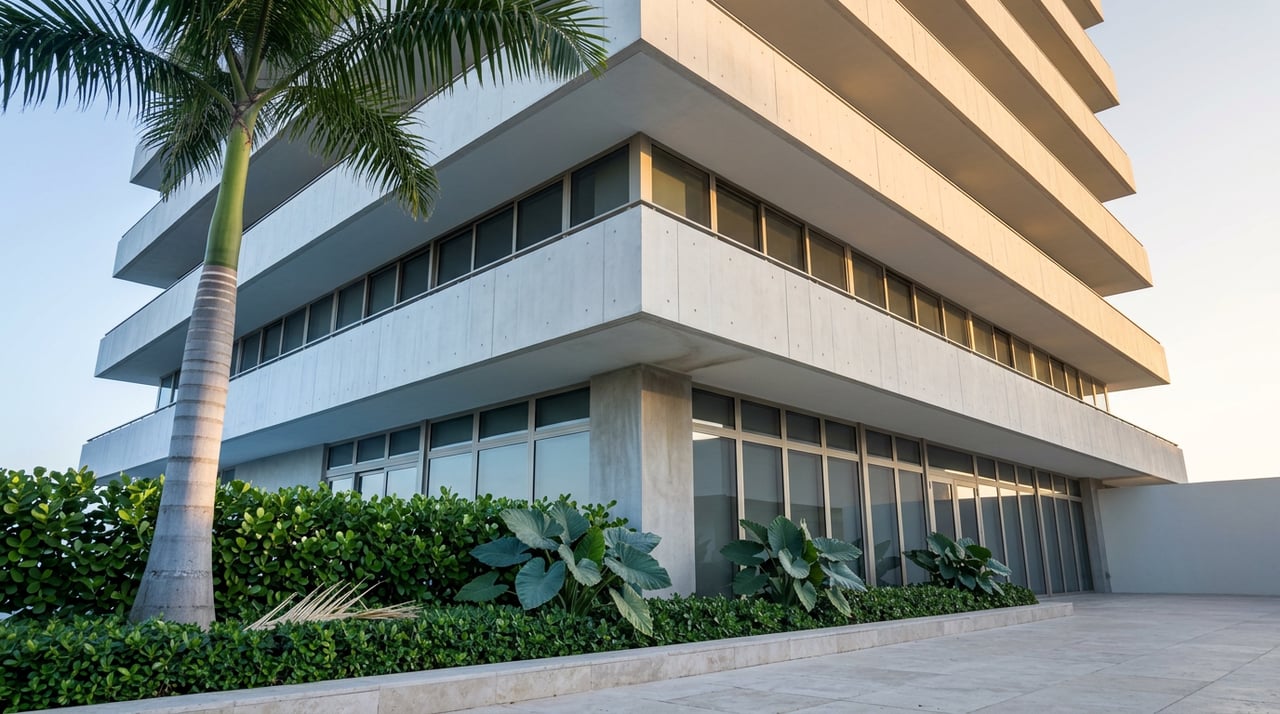
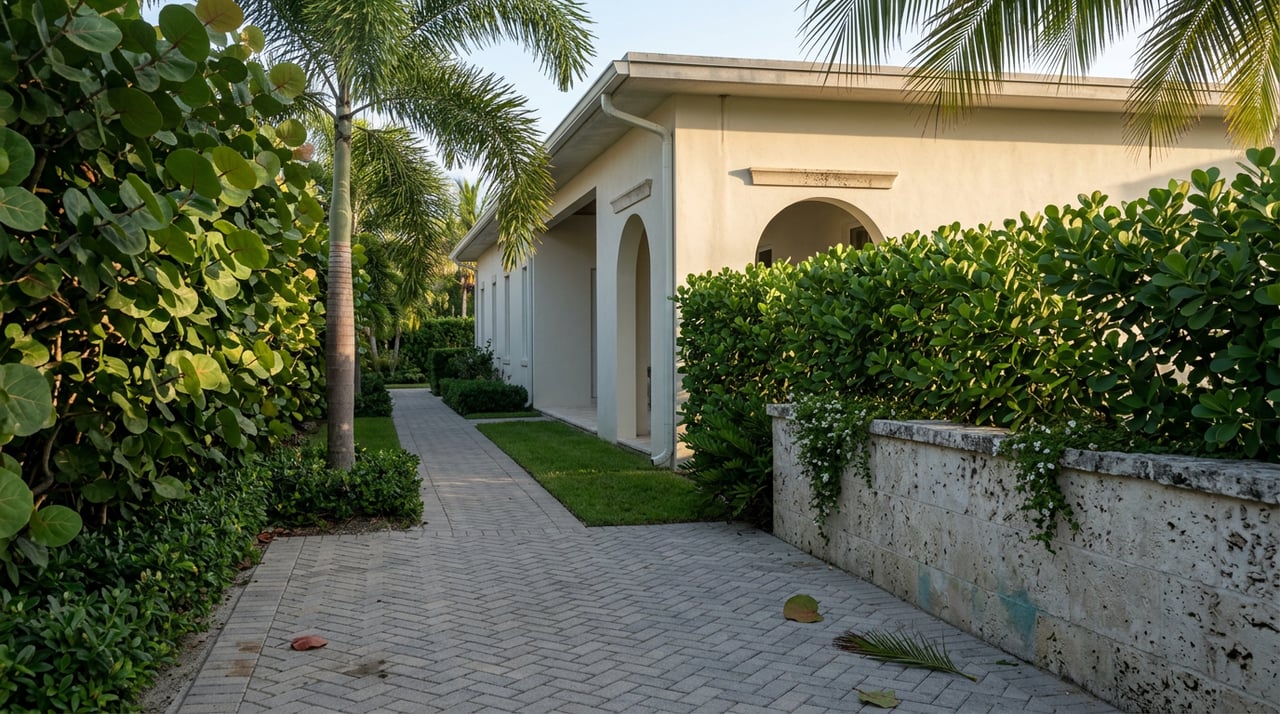
Thinking about keeping a yacht at a Venetian Islands home, or buying with a boat in mind? The bridges you pass under and the routes you take to Biscayne Bay and the Atlantic will shape your experience. With a little planning, you can match the right vessel to the right property and move with confidence. This guide gives you practical steps to evaluate bridge heights, plan routes, and buy smart. Let’s dive in.
Venetian Islands boating basics
The Venetian Islands sit inside Biscayne Bay between mainland Miami and Miami Beach. You will cruise within a protected bay system, then use marked channels to reach the ocean. Many outings stay inside the bay, but ocean access is straightforward if you plan around tides, traffic, and bridge operations.
Traffic is a mix of center consoles, sportfishing yachts, trawlers, sailboats, and visiting superyachts. Expect posted no‑wake zones near seawalls and docks. Stay within marked channels and use updated charts, since shoaling can shift depths near approaches.
Bridge types and why they matter
Fixed vs movable bridges
Fixed bridges have a posted vertical clearance measured at Mean High Water. If your air draft is lower than that number, you pass without delay. Movable spans, like bascule draws, open on signal or schedules so taller vessels can transit.
How openings work
Drawbridge operation follows federal rules under 33 CFR Part 117. Many spans open on signal, but some follow set times, especially during peak road traffic. You typically hail the operator on the posted VHF channel and request an opening. Always confirm the current protocol, schedule, and any temporary restrictions before you go.
What to verify every time
- The bridge’s vertical clearance at Mean High Water.
- Whether the span is fixed or movable, plus its opening schedule.
- The VHF channel and procedure to request an opening.
- Any construction, maintenance, or special restrictions noted in official notices.
Air draft made simple
Your air draft is the height from the waterline to the highest fixed point on your boat. Knowing this number is the foundation of safe planning in the Venetian Islands.
Measure your vessel
- Measure from the waterline to the highest non‑retractable point, including hardtops and antennas that do not fold.
- For sailboats, include masthead height as well as any fixed equipment at the top.
- Record a conservative figure and keep it handy when reviewing bridge data.
Build a safety margin
- Compare your air draft to the posted bridge clearance at Mean High Water, not low water.
- Allow a safety margin of at least a couple of feet, more for larger yachts or in strong wind and current.
- Remember that higher tides reduce effective clearance and wind setup can affect water levels inside the bay.
Routes to Biscayne Bay and the ocean
Government Cut
Government Cut is the primary deep‑water access for Miami and the Port of Miami. Larger yachts favor this route due to maintained depths. Expect heavy commercial and cruise traffic, follow separation schemes, and keep a prudent distance when transiting.
Haulover Inlet
Haulover Inlet, to the north, is popular with recreational boats. Conditions can be more exposed, and sandbars or surf can develop. Plan around tides and local conditions, and avoid the inlet during strong ebb currents if you are unfamiliar or short‑handed.
Key Biscayne area routes
Routes around the Rickenbacker Causeway and the southern end of the barrier islands are useful when heading south. Check bridge restrictions and currents, and verify depths within the approaches.
Inner‑bay cruising
Many Venetian Islands owners enjoy Biscayne Bay’s protected waters without leaving for the Atlantic. Follow marked channels, watch for shoaling near structures, and respect no‑wake zones for a smooth, low‑stress day.
Buyer checklist: match boat and property
Buying on the Venetian Islands with a boat in mind works best when you align the vessel profile with the dock and route.
Vessel attributes to evaluate
- Air draft: Confirm compatibility with any fixed bridges on your route.
- Length overall and beam: Ensure the dock length and geometry fit your hull.
- Draft: Verify depths at the dock at low tide and along your approach.
- Handling: Larger yachts need space for turns and a nearby safe turning basin.
Property and moorage due diligence
- Dock dimensions and construction: Check length, piling type, finger piers, and condition.
- Depths and tidal datum: Confirm measured depths and whether they are at Mean Low Water or another reference.
- Permits and zoning: Ensure the dock and seawall are permitted and compliant.
- Utilities and services: Shore power amps, potable water, and pump‑out access if you plan longer stays.
- Maintenance access: Identify nearby marinas or haul‑out facilities for service.
- Insurance: Confirm any requirements tied to safe transit routes and ocean access.
- Speed and wake rules: Understand how local zones affect travel time to open water.
Vessel‑type implications
- Small runabouts and center consoles: Low air draft, shallow draft, and usually easy fits for private docks.
- Cabin cruisers and express yachts: Check seawall depths and dock length, plus air draft if routes include fixed spans.
- Trawlers and pilothouse yachts: Often compatible due to lower profiles, but verify LOA and maneuvering room.
- Sailing vessels: Tall masts may require regular drawbridge openings or a slip east of obstructions to simplify transit.
- Large motor yachts: Seek deep water, ample turning room, and reliable access. A marina berth can be more practical than a private dock for very large LOA and beam.
Practical planning resources
Use official, current sources before every transit:
- NOAA Office of Coast Survey for nautical charts and updates.
- U.S. Coast Guard Local Notice to Mariners for bridge schedules, temporary restrictions, and construction advisories.
- Federal regulations at 33 CFR Part 117 for drawbridge operation rules.
- Florida Department of Transportation or local bridge authorities for span specifications and operating hours.
- NOAA tide and current predictions for Biscayne Bay and the inlets.
Local marinas, yacht clubs, and community tools can add helpful color about shoaling or bridge operator practices. Treat community notes as supplemental to official notices.
Smart operating tips
- Check the Local Notice to Mariners the day you plan to transit.
- Time inlets near slack water when possible.
- Confirm the correct VHF channel for each bridge before departure.
- Post a lookout for aids to navigation and shoaling near structures.
- For a new route or a large yacht, consider hiring a local captain for the first passage.
Navigate and buy with confidence
The Venetian Islands offer a prime mix of protected bay cruising and straightforward ocean access when you plan for bridge heights, tides, and traffic. Align your vessel’s air draft and draft with the dock and route you intend to use, and verify bridge operations before you go. With a disciplined approach, you can enjoy effortless days on the water and a property that supports your yachting lifestyle.
If you want tailored guidance on matching a waterfront property to your current or future yacht, connect with Mark Yaffe for research‑driven, concierge advice.
FAQs
What bridges affect yacht access on the Venetian Islands?
- The causeway system includes fixed and movable spans, so you should verify each span’s type, posted clearance at Mean High Water, and any operating schedules before planning a route.
How do I request a bridge opening near Miami Beach?
- Hail the bridge operator on the posted VHF channel and request an opening, and confirm any scheduled opening windows under the federal drawbridge rules in 33 CFR Part 117.
Which inlet is best for larger yachts leaving Miami?
- Government Cut is the primary deep‑water entrance used by larger yachts, but plan around commercial and cruise ship traffic and follow local navigation schemes.
How do tides change bridge clearance in Biscayne Bay?
- Bridge clearances are posted at Mean High Water, so higher tides reduce actual clearance and wind setup can add water level changes you should account for.
What should I verify at a Venetian Islands dock before buying?
- Confirm dock dimensions, depth at low tide, permits, seawall condition, utility service, and practical access to channels, plus insurance requirements tied to safe transit.
Is a sailboat practical for a Venetian Islands home?
- Yes, with planning; taller masts may require drawbridge openings or a slip east of obstructions, so verify routes, schedules, and turning space ahead of time.