Build New or Renovate in Golden Beach?
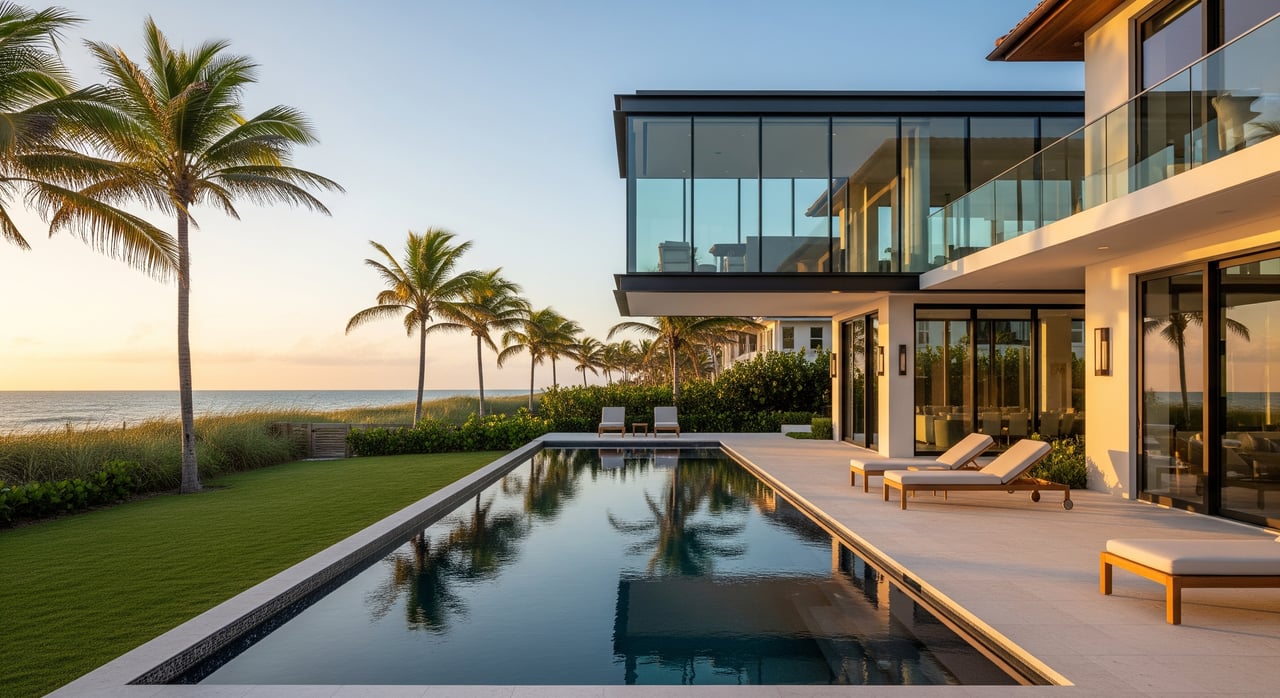
Is your Golden Beach property better served by a top‑to‑bottom renovation or a complete teardown and custom build? It’s a big call, and the right answer comes down to site realities, code and insurance requirements, and how well the existing structure can deliver your vision. You want clarity before you commit capital and time. In this guide, you’ll learn how to evaluate zoning and flood rules, weigh costs and timelines, and assemble the right experts so you can move forward with confidence. Let’s dive in.
The core question is simple: can your current structure and site support your goals, meet today’s code and insurance standards, and do so cost‑effectively compared to a new build? In Golden Beach, the coastal setting and local rules make this a strategic, not just cosmetic, decision.
Golden Beach is an incorporated town in Miami‑Dade County with its own planning and building oversight. Projects are reviewed against local zoning and the Florida Building Code, and certain coastal or utility items can trigger county or state reviews. Always confirm parcel‑specific requirements with the Town’s Building and Zoning teams before you design.
Start by verifying maximum lot coverage, permitted living area or FAR, height limits, and front/side/rear setbacks. On narrow or irregular waterfront lots, these controls often shape whether an expansion is feasible or whether a rebuild, with a more efficient layout, is the better path. Ask early about any overlay districts or design review requirements that could affect massing or materials.
Most Golden Beach properties fall within FEMA AE or V flood zones depending on proximity to the ocean or Intracoastal. Your elevation certificate and flood zone determine the minimum finished floor elevation and freeboard for new work. If meeting current elevation requires pilings or a raised slab, that can be a decisive cost factor and may tilt you toward a new build designed to current standards. Seawall condition and shoreline protections are also regulated; plan for permitting if you expect any seawall repair or replacement.
Work near the shoreline, changes to seawalls or bulkheads, and activities affecting drainage can require approvals from Florida’s Department of Environmental Protection or local coastal authorities. Many coastal towns also require engineered stormwater plans and limit impervious area. Incorporate these needs into your schedule and budget.
The Florida Building Code sets wind‑resistant requirements, including impact‑rated glazing or shutters, roof connections, and debris protection. New construction must comply fully. Significant renovations can trigger upgrades in the work area and sometimes beyond. Confirm scope‑specific triggers so you understand when windows, doors, roof systems, and connections must be brought to current standards.
Confirm your water and sanitary connections with Miami‑Dade providers and verify whether connection or capacity fees apply. Any increase in impervious area may require site drainage improvements that need town review. These items can influence both design and sequencing.
Tree preservation rules, utility or drainage easements, and deed restrictions can limit where you can build or how you can landscape. Obtain a current survey, review recorded documents, and factor any mitigation costs or design limits into your plan.
Think in categories: hard costs, soft costs, and contingencies. Coastal work adds intensity to each bucket. Your goal is to identify which path concentrates spending on outcomes that matter, rather than on hidden fixes.
Newly built homes designed to current standards with flood and wind mitigation may qualify for better underwriting terms over time. In a market that favors modern, high‑amenity homes, a full rebuild can also support resale value and marketability. Always confirm insurance implications with a local flood and property insurance specialist before you commit.
Your timeline will flow from due diligence to design, then through town review and construction. Coastal projects often have more touchpoints and inspections, so plan with margin.
Golden Beach lots can be tight, with limited staging. Marine trades such as pile drivers and seawall contractors are in high demand; book early. Hurricane season runs June through November and can affect delivery schedules and site protection plans.
Beyond construction, plan for permit and plan review fees, utility connection or impact fees, survey and soils reports, and potential mitigation requirements. Use the Town’s fee schedule and Miami‑Dade’s utility guidance to firm up estimates.
Move quickly to facts. This early work reduces risk and helps your team advise you accurately.
In Golden Beach, the most reliable answer to “renovate or rebuild” comes from facts on the ground: zoning limits, flood and elevation requirements, structural condition, and your target program. Renovations can be efficient when the shell is sound and code triggers are limited. New construction is often the cleaner path when elevation, wind hardening, and layout changes stack up. Either way, start with data, line up the right professionals, and treat the process with development‑level discipline.
If you want a discreet, research‑driven partner to help you evaluate scenarios, identify the right local team, and position your property for long‑term value, connect with Mark Yaffe.
Stay up to date on the latest real estate trends.


Guiding Mark's clients step-by-step through a landmark, emotional financial transaction and easing the process by finding them the best deals, is what Mark does best for his local and international clientele. Mark leverages his knowledge of the Miami Real Estate market and relationships with brokers, developers, attorneys, and investors in order to do so.