What Oceanfront Living In Miami Beach Really Feels Like

What does a Miami Beach morning feel like when the Atlantic is your backyard? If you are considering an oceanfront residence here, you want the real texture of daily life, not marketing copy. In this guide, you will see how the day flows, what services make life turnkey, where privacy and access align, and which ownership details shape your experience over time. Let’s dive in.
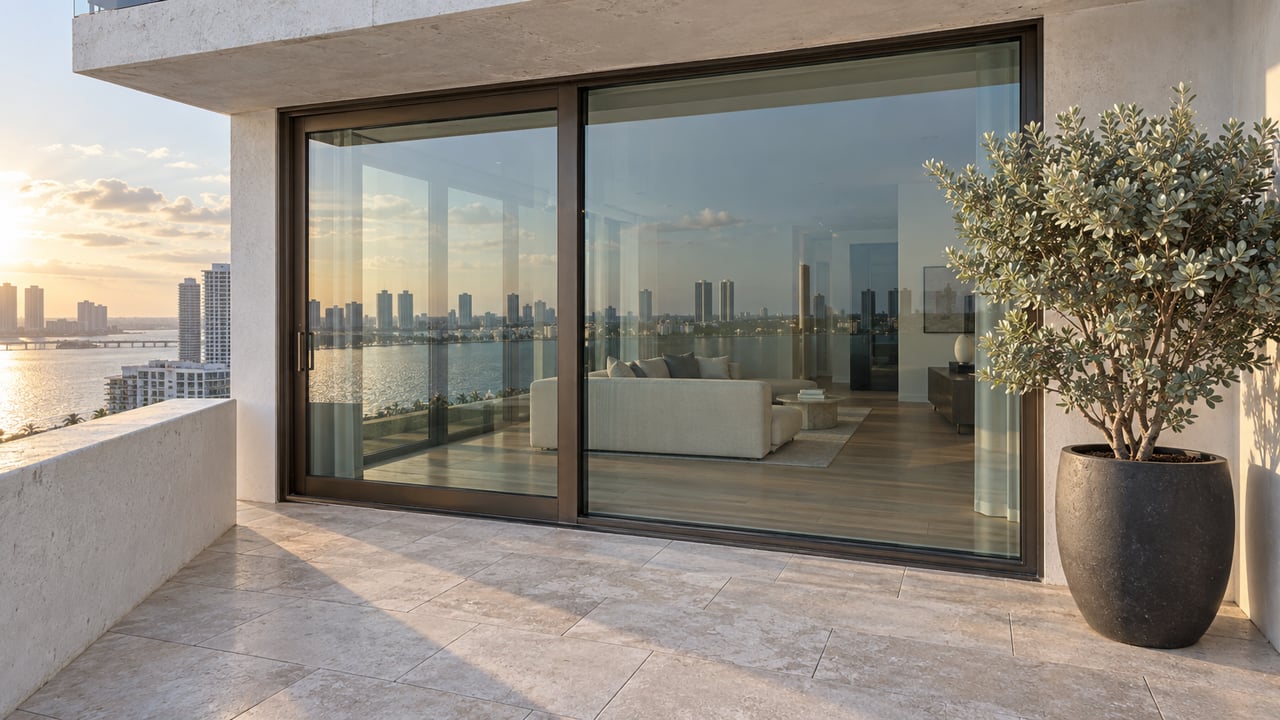
Sun rises in soft pinks, the air is warm, and the ocean is often calm before midday breeze. You might start with a barefoot walk, a quick swim, or a paddleboard session launched from the beach. Many buildings set you up with towels, umbrellas, and water gear, while your morning coffee appears courtesy of private staff or building services.
Fitness rarely requires leaving home. High-end towers in Miami Beach often have full gyms, yoga studios, and lap pools. Valet brings your car within minutes if you prefer a private trainer or class nearby. A 24-hour concierge can handle reservations and schedule deliveries, so your calendar stays clear for what matters.
Much of the day centers on poolside and beach. Private cabanas, quiet sun decks, and attentive beach service define the rhythm. You can order a light lunch to your lounger or dine in a calm, shaded restaurant on property. Spa teams offer in-suite treatments, and many residents keep a recurring wellness routine through the building or preferred providers.
Errands feel almost invisible. Packages are received and brought up. Housekeeping and laundry are coordinated. If you work from home, you can still feel on vacation between calls, with sea views and the sound of waves from your terrace.
Evenings flow from terrace sunsets to a strong dining and arts scene. You can keep it relaxed with in-residence dinners prepared by a private chef, or you can step out to chef-driven restaurants along Collins Avenue and Lincoln Road. Miami Beach’s cultural calendar is active, from seasonal events like Art Basel to programming at The Bass, live shows at the Fillmore, and performances by the New World Symphony.
Privacy remains central. Many luxury buildings use secure access, private elevators, and discreet guest management. Staff can stage intimate dinners or larger gatherings in club rooms and on pool decks, subject to building rules.
South Beach is energetic and walkable, with quick access to dining, clubs, Lincoln Road, and South Pointe Park. Many landmarks and hotel-branded residences create a true resort feel with 24-hour services. The tradeoff is higher pedestrian activity and nightlife that runs late.
Mid-Beach offers newer developments and a refined atmosphere, including cultural spots like the Faena District. You are close to the action yet buffered from the most active nightlife. Residences tend to be large-format condos with modern amenity suites and thoughtful service.
North Beach and the areas north of 63rd Street feel more residential with quieter sands and lower density. You get an easygoing pace with oceanfront access and a short drive to city services. Boutique condos and low-rise buildings share the shoreline with select single-family options.
While not oceanfront, places like the Venetian Islands, Sunset Harbour, the Design District, and Wynwood often anchor your social and shopping map. They are within a short drive for gallery visits, private dining, or curated shopping.
Policies vary by building. Some allow live-in staff, while others limit it to daytime hours. If you rely on a chef, nanny, or estate manager, you should review staff rules early in your search.
Purchase prices for luxury oceanfront residences range from the multi-million level up to significant sums for penthouses and large-format homes. You should expect meaningful monthly association fees that support staffing, amenities, insurance for common areas, and maintenance. Florida’s lack of state personal income tax can be attractive, yet you still budget for property taxes, utilities, private staff, insurance, and potential special assessments.
Miami Beach is hurricane-prone and exposed to coastal flooding. You will want to evaluate wind-mitigation features, impact-rated glazing, and storm plans. Flood coverage is separate from standard homeowner policies, and insurance markets can be volatile. Many buyers rely on specialized carriers for comprehensive coverage beyond the building’s master policy.
Condo associations typically carry master insurance for the structure and common areas. You handle in-unit coverage for interiors and personal property. Short-term rentals are often restricted, and city rules apply. If you plan to host events or maintain staff on-site, building bylaws and management policies will guide what is possible.
High-amenity buildings have significant capital needs over time. Review reserve studies and recent engineering reports. After the Surfside tragedy, structural inspections and recertification schedules gained more attention across the region. Understanding any planned work or pending assessments is key to a clear ownership outlook.
Access is a core part of the Miami Beach proposition. Miami International Airport is the primary global gateway, with Fort Lauderdale-Hollywood as a strong alternative. Private aviation users often favor executive facilities, including Miami-Opa Locka Executive Airport. Valet and secure parking are standard at luxury buildings. For boating, many owners use marina slips nearby, with concierge teams helping coordinate berths, charters, and provisioning.
Security and discretion are prioritized. Expect managed arrivals, controlled elevator access, and on-site staff trained for privacy. For high-profile residents, non-disclosure arrangements and discreet move-in logistics are common.
Winter is high season. From December through April, the calendar fills with art, design, and philanthropy events. You will see more visitors around town, and reservations become essential. Summer quiets down, and humidity sets the pace. Buildings shift toward maintenance and hurricane preparedness while keeping full services in place.
Hurricane watches are handled with orderly routines. Staff can assist with shutters, securing terraces, and coordinating any temporary moves if needed. Most owners maintain a clear plan that includes insurance contacts and service providers.
Miami Beach blends private-residence comfort with true hotel-grade services. The result is a resort-style home life that is hard to replicate in many coastal markets. The arts and nightlife ecosystem creates a constant flow of openings and events. Florida’s tax environment appeals to many global buyers. Counterbalancing that appeal are coastal risks and a focus on building quality, reserves, and long-term resilience.
Use this quick checklist to shape your due diligence:
Miami Beach oceanfront living is about ease, sun, and service paired with thoughtful planning. If you want a private oasis that still connects you to culture, dining, and global access, this shoreline offers it. The right building will feel like a five-star resort that you call home.
Ready to explore the options and evaluate them with rigor? Work with a trusted advisor who pairs market discipline with a concierge mindset. Connect with Mark Yaffe to map your goals, access exclusive inventory, and coordinate lifestyle assets like yachting, fine art, and aviation.
Stay up to date on the latest real estate trends.
Guiding Mark's clients step-by-step through a landmark, emotional financial transaction and easing the process by finding them the best deals, is what Mark does best for his local and international clientele. Mark leverages his knowledge of the Miami Real Estate market and relationships with brokers, developers, attorneys, and investors in order to do so.