Selling An Oceanfront Estate In Golden Beach
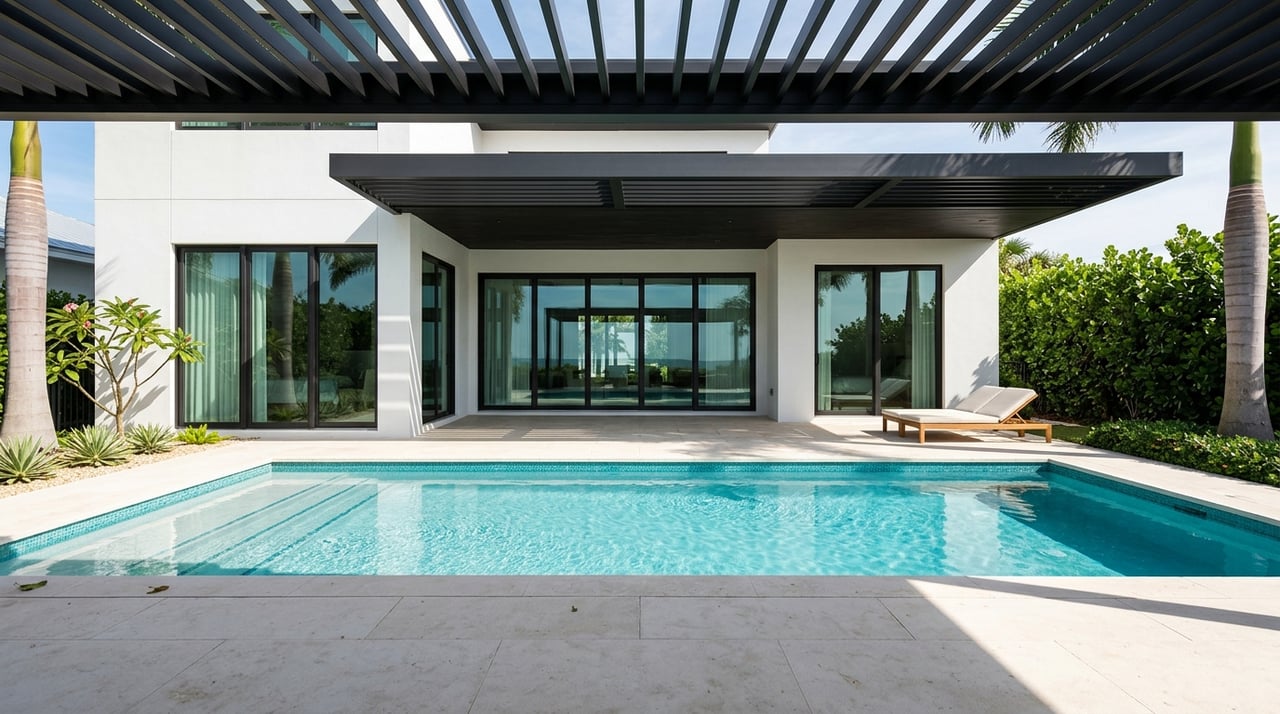
If you are selling an oceanfront estate in Golden Beach, you are not bringing a typical luxury home to market. You are positioning one of the rarest residential assets in South Florida, in a town with just 364 single-family homes and unusually strict rules around use, promotion, and occupancy. That combination creates real opportunity, but it also raises the stakes on pricing, preparation, and buyer targeting. Here is how to approach the sale with the precision this market demands.
Golden Beach is a 1.8-square-mile oceanfront town between the Atlantic Ocean and the Intracoastal Waterway. According to the Town, it has remained a community of 364 single-family homes, offers private beach access, and does not allow high-rise condominiums or commercial activity. For a seller, that means your property sits in a highly controlled and very limited inventory environment.
That scarcity matters because buyers are not simply comparing square footage or finishes. They are evaluating privacy, direct waterfront living, and the long-term value of ownership in a town with tight development limits. In a market like this, the home itself matters, but the setting and the rules matter just as much.
Golden Beach pricing should be handled as a trophy-market exercise, not a broad county comparison. Realtor.com's May 2026 Golden Beach snapshot showed a median listing price of $17.4 million, with 30 homes for sale and a median 133 days on market. MIAMI Realtors also reported that Golden Beach had the highest median million-dollar sales price among Miami-Dade markets with at least 15 such sales in 2024, at $8.7 million.
Those numbers tell you two important things. First, this is an exceptionally thin market where every listing can influence the conversation. Second, pricing should be based on a very small set of true estate comparables, not on general Miami-Dade trends or nearby luxury markets that operate differently.
Golden Beach zoning is especially important when you market an oceanfront estate. The Town code places land into single-family residential, governmental or community facilities, or social and athletic nonprofit uses, and the single-family district prohibits business, professional, and commercial uses. That framework should shape the entire listing strategy.
In practical terms, your property should be presented as a scarce private residence rather than a flexible event property or short-term asset. Buyers looking in Golden Beach are often drawn to privacy, control, and residential exclusivity. Your marketing should reflect that reality clearly and factually.
Golden Beach also limits on-property promotional activity. The code allows a traditional daytime open house, but it prohibits fee-based events and third-party promotional events at the property. If you are used to luxury launches with branded events or outside activations, that approach does not fit this market.
This is one reason strategy matters so much. In Golden Beach, the sale often depends less on public spectacle and more on discreet outreach, carefully qualified showings, and strong presentation materials that can travel beyond the property itself.
If you are considering renting the home while waiting for the right buyer, the local rules matter there too. In Golden Beach residential districts, occupancy for less than six consecutive months is prohibited. That means short-term leasing is not a fallback strategy you should assume is available.
For sellers, this reinforces the need to build a clear listing timeline from the start. The property should be marketed with a plan that reflects local occupancy rules and realistic buyer timing.
In a coastal trophy sale, buyers and their advisors tend to review documentation early and carefully. That is why pre-listing diligence can protect value and reduce friction later in the process. In Golden Beach, permit history, flood-zone information, and resilience records deserve special attention.
A well-prepared seller gives the market confidence. A poorly documented estate can slow negotiations, trigger avoidable concerns, or push a buyer to demand concessions deep into due diligence.
Golden Beach's Building and Zoning office handles permit processing, and Miami-Dade County says permits are required before construction begins. The county also notes that impact fees are due before a building permit is issued. For an oceanfront estate, buyers may ask for support for major improvements, additions, exterior work, seawall-related items, or other property changes.
Before the home goes live, it is smart to gather records for completed work and identify any gaps. If there were prior alterations, renovations, or additions, organized documentation can help show that the work was properly approved. In a market at this price point, missing records can become a major issue.
Flood and elevation documentation carry more weight in Golden Beach than they would in many inland luxury markets. Miami-Dade County says exact flood-zone designation can be confirmed through its flood-zone map tools and hotline. The county also explains that it is particularly susceptible to flooding from major rain events and storm surge.
If your estate has elevation certificates, prior surveys, or records of storm-resilience improvements, those documents should be assembled before launch. When you provide this information early, you help frame the property accurately and reduce the chance of late-stage surprises.
Insurance readiness is another key part of a clean sale. Miami-Dade notes that flood insurance is required for any federally backed mortgage in a Special Flood Hazard Area. The county also warns that a new flood insurance policy does not take effect until 30 days after purchase.
Even in a cash-heavy luxury segment, insurance questions can affect timing and comfort level. A buyer who understands the flood-zone status, documentation, and resilience story of the home is in a better position to move forward with confidence.
Golden Beach is local in geography but global in reach. MIAMI Realtors reported that Miami was the No. 1 U.S. market for foreign home buyers in 2025, and that South Florida's foreign-buyer share was 15% in 2025. The same report said international buyers accounted for 49% of new South Florida construction, pre-construction, and condo-conversion sales over the 18 months ending in July 2025.
For a Golden Beach seller, this matters because your most likely buyer may not be local. They may be based elsewhere in the U.S. or overseas, and they may expect multilingual communication, polished digital presentation, and discreet access to information before they ever visit in person.
The Town also notes proximity to both Miami International Airport and Fort Lauderdale International Airport. That convenience supports a wider buyer pool, especially for second-home and cross-border purchasers. It also means your marketing should be built to travel well, both digitally and through private advisor networks.
This is where a boutique yet globally connected approach can make a difference. Strong distribution, multilingual outreach, premium digital assets, and the ability to position the home confidentially can all help match the property with the right buyer audience.
If your timing is flexible, planning ahead can create advantages. Realtor.com's 2026 Best Time To Sell report identified the week of April 12 through 18 as the strongest national listing window. In coastal South Florida, that timing also sits outside the core Atlantic hurricane season, which runs from June 1 to November 30.
That does not mean every Golden Beach estate should list in April. It does mean your launch calendar should account for both market conditions and seasonal risk. If you have a 12- to 24-month selling horizon, it makes sense to map out preparation, documentation, photography, and outreach well before the ideal window arrives.
A strong Golden Beach launch often begins months before the property is publicly introduced. The goal is to reduce uncertainty, sharpen positioning, and protect leverage during negotiations.
Here is a practical pre-listing checklist:
Selling in Golden Beach requires more than beautiful photography and a listing launch. The market calls for precise comp analysis, careful compliance with local rules, polished presentation, and reach into a global luxury audience. Because on-property promotions are limited and the buyer pool can be international, the process is often as much about documentation and distribution as it is about exposure.
That is why many sellers benefit from an advisor who combines research-driven pricing with discreet, concierge-level execution. In a market this rare, your representation should reflect the complexity and value of the asset.
If you are considering selling an oceanfront estate in Golden Beach, a tailored strategy can help you protect pricing, reduce friction, and reach the right buyer with confidence. To plan your sale with a private, data-informed approach, connect with Mark Yaffe.
Stay up to date on the latest real estate trends.
Guiding Mark's clients step-by-step through a landmark, emotional financial transaction and easing the process by finding them the best deals, is what Mark does best for his local and international clientele. Mark leverages his knowledge of the Miami Real Estate market and relationships with brokers, developers, attorneys, and investors in order to do so.