Choosing Your Ideal Miami Beach Oceanfront Address
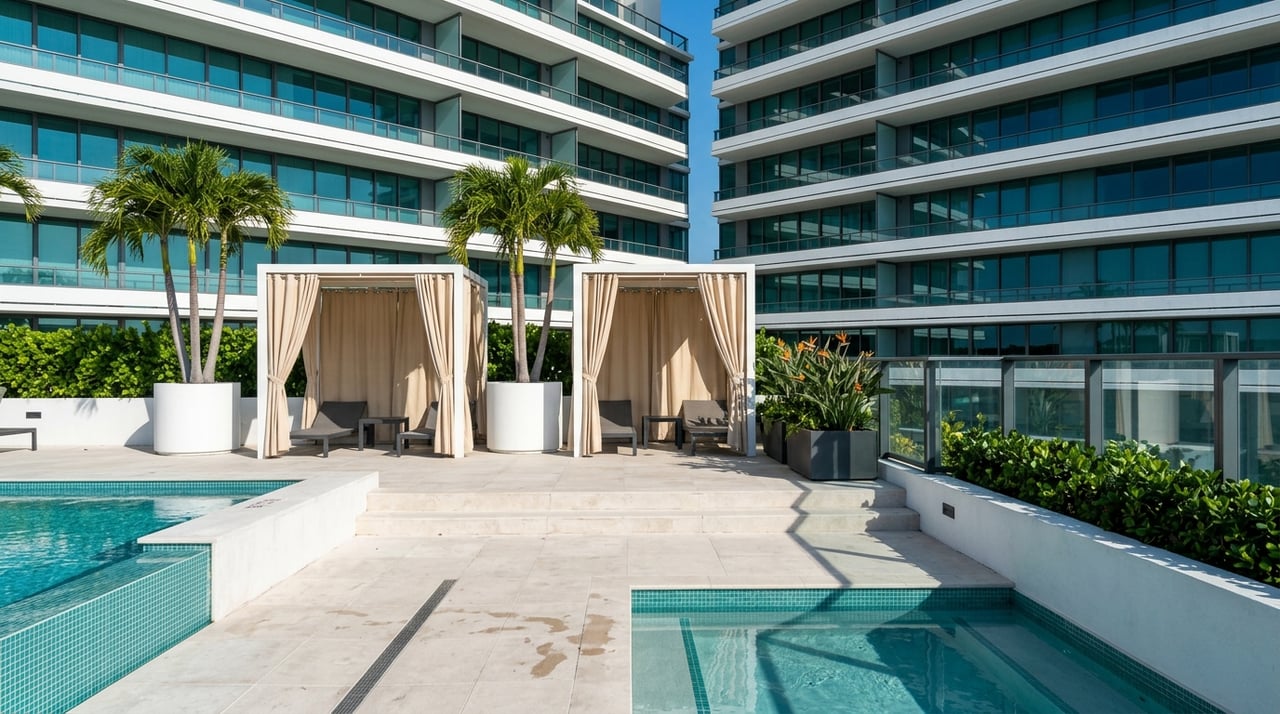
Wondering which Miami Beach oceanfront address will actually fit the way you want to live? That question matters more than many buyers expect, because in Miami Beach, one stretch of sand can feel urban and marina-connected, while another feels more resort-driven or more neighborhood-oriented. If you are weighing a primary home, second home, or a lifestyle purchase with long-term value in mind, this guide will help you compare the city’s main oceanfront corridors with more clarity. Let’s dive in.
An ocean view may get your attention, but your day-to-day experience is shaped by what sits behind the shoreline. In Miami Beach, the most useful way to narrow your search is to think about daily rhythm, access, architecture, and how you prefer to move through the city.
The city officially frames its beach neighborhoods as South Beach, Mid-Beach, and North Beach. South Beach runs from South Pointe Park to 23rd Street, while the North Beach CRA generally spans from 65th Street to 87th Terrace. That leaves Mid-Beach as the central oceanfront band between those two edges.
Miami Beach also gives buyers a strong public-realm framework to consider. The city’s nine-mile Beachwalk and free trolley loops for South Beach, Middle Beach, and North Beach can make a real difference in how often you walk, ride, or rely on a car.
South Beach is the city’s Art Deco core and the home of the nation’s first urban 20th-century historic district, according to the city’s architecture materials. If you want an oceanfront address with immediate access to dining, cultural destinations, parks, and a highly active public realm, this part of Miami Beach often stands out.
This setting tends to feel the most connected to the broader South Beach lifestyle network. You are not just choosing a building near the ocean. You are choosing a location that places you close to museums, public spaces, major pedestrian routes, and a dense mix of daily activity.
Mid-Beach offers a different experience. The city describes it as home to Millionaire’s Row and Morris Lapidus architecture, with a culturally rich and smaller-scale identity compared with South Beach.
This corridor is strongly associated with Miami Beach’s mid-century resort fabric and much of the city’s MiMo character. For many buyers, that creates a natural middle ground between South Beach’s intensity and North Beach’s quieter pace.
North Beach is shaped by a more community-driven atmosphere and visible city investment. The city’s redevelopment materials describe priorities here that include mobility, infrastructure, resiliency, housing, and economic revitalization.
For buyers, that often translates into a calmer beachfront setting with strong park access and a more local rhythm. The area’s public anchors, including the Miami Beach Bandshell, Ocean Terrace, and North Beach Oceanside Park Beachwalk, give this stretch a distinct identity.
Architecture does more than shape the skyline. It affects the tone of an address, the streetscape around it, and how a neighborhood feels as you arrive home.
Miami Beach identifies Art Deco, Mediterranean Revival, and MiMo as defining architectural styles citywide. South Beach has the city’s largest concentration of Art Deco buildings, while Mid and North Beach hold most of the city’s MiMo inventory.
That means your address choice is also a design choice. If you are drawn to the classic South Beach visual language, South Beach may feel more aligned. If you prefer the mid-century resort identity that defines much of oceanfront Miami Beach, Mid-Beach and North Beach deserve a closer look.
South of Fifth, often called SoFi, runs south of Fifth Street to Government Cut and from the Atlantic Ocean to Biscayne Bay. South Pointe Park anchors the southern end, and the Miami Beach Marina sits next to Government Cut with dockage, dining, and marine services.
This is one of the clearest examples of an address where the exact location drives lifestyle. If you value quick access to the marina, waterfront park space, and the broader South Beach dining and cultural network, SoFi is a highly specific fit.
The city’s pedestrian and transit materials point to Beachwalk at South Pointe Park and Marina Baywalk as major active-transportation nodes. The South Beach trolley runs seven days a week for 15 hours a day at about 20-minute frequency and connects to restaurants, marinas, museums, libraries, parks, Lincoln Road Mall, the Convention Center, New World Symphony, the Bass Museum, and Miami City Ballet.
In practical terms, SoFi supports a more walkable and connected day. If you want to move easily between the ocean, a marina setting, dining, and cultural destinations, this corridor is one of the strongest options in Miami Beach.
Mid-Beach is often the best fit for buyers who want an oceanfront address that feels polished and service-oriented without sitting in the heart of South Beach’s entertainment core. City materials highlight Millionaire’s Row, Morris Lapidus architecture, and a corridor identity tied closely to resort properties.
That combination can appeal to buyers who want a more central oceanfront setting with a strong hospitality presence, recognizable architecture, and a luxury residential feel. It is a useful middle position for those who want convenience and presence, but not necessarily the most urban cadence.
The 41st Street corridor plays an important role in Mid-Beach. The city describes it as the sole gateway providing direct access to Mid-Beach and Mount Sinai Medical Center, with neighborhood-serving retail and restaurant space as well as medical and professional offices.
The Middle Beach Loop also connects 41st Street, Mount Sinai, the Convention Center, the Botanical Garden, City Hall, Collins Park, and the commercial corridor. It operates seven days a week for 15 hours a day at about 20-minute frequency, which adds meaningful convenience to this part of the beach.
North Beach usually appeals to buyers looking for a more relaxed beachfront setting with a strong sense of place. The city frames it as a walkable neighborhood with deep roots, and current public investment continues to shape its future.
The North Beach CRA covers a 326.4-acre area generally bounded by 65th Street, 87th Terrace, the Atlantic Ocean, and Rue Notre Dame. The city also notes future plans that include a mixed-use Town Center, hotel improvements, and new shops and restaurants.
North Beach has several public anchors that help define daily life. These include the Miami Beach Bandshell, Ocean Terrace Park and Streetscape, and the North Beach Oceanside Park Beachwalk, which the city describes as the final link in the Beachwalk system from 79th to 87th Street.
The North Beach Loop operates daily from 8 a.m. to 11 p.m. at roughly 20-minute frequency. It connects places such as Allison Park, Publix on 69th, North Shore Open Space Park, and Normandy Isle Park and Pool, which reinforces the area’s neighborhood-scale practicality.
| Corridor | Best for | Signature feel | Key public anchors |
|---|---|---|---|
| South of Fifth | Buyers who want marina access and fast connection to South Beach destinations | Urban, walkable, destination-driven | South Pointe Park, Miami Beach Marina, Beachwalk |
| Mid-Beach | Buyers who want resort-scale living and central convenience | Resort-residential, design-forward, service-oriented | 41st Street corridor, Middle Beach Loop, resort corridor |
| North Beach | Buyers who want a quieter beachfront with local rhythm | Neighborhood-oriented, calmer, community-scaled | Bandshell, Ocean Terrace, Oceanside Park Beachwalk |
In Miami Beach, the block can matter as much as the neighborhood name. Public investment and mobility improvements are not evenly distributed, and those details can shape how an address performs for daily use and long-term appeal.
City projects help show that difference. South Beach is seeing upgrades around Lincoln Road approaches, while North Beach has Ocean Terrace pedestrianization and Beachwalk extension activity. That means two homes in the same broad area can offer meaningfully different experiences depending on their immediate surroundings.
If you want to simplify the decision, start by asking which cadence feels most natural to you. That usually brings the right corridor into focus faster than starting with building names alone.
Use this framework:
If you are buying at the luxury end of the market, this is where careful guidance matters. The right choice is not about picking the most famous address. It is about matching your oceanfront residence to the way you actually want to live, arrive, entertain, and move through Miami Beach.
When you want a discreet, research-driven perspective on Miami Beach oceanfront options, including trophy residences, off-market opportunities, and highly curated guidance across the city’s top enclaves, Mark Yaffe offers a personalized advisory approach built for sophisticated buyers.
Stay up to date on the latest real estate trends.
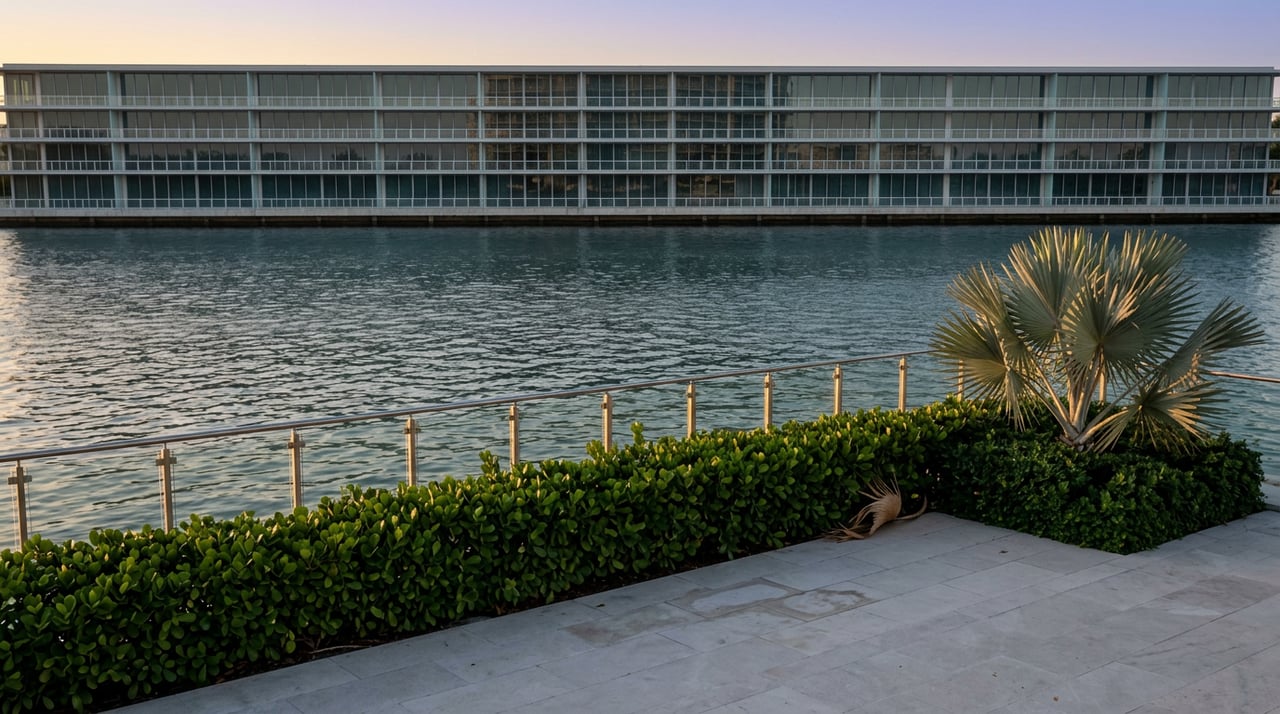
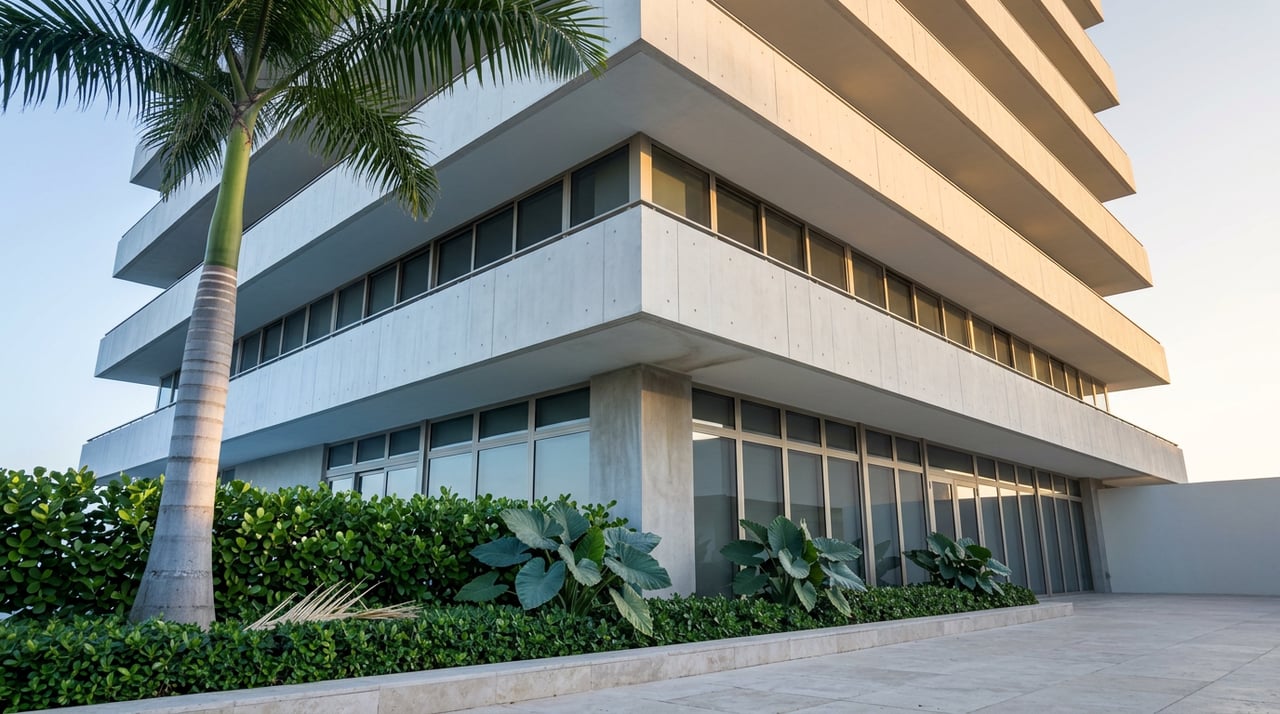
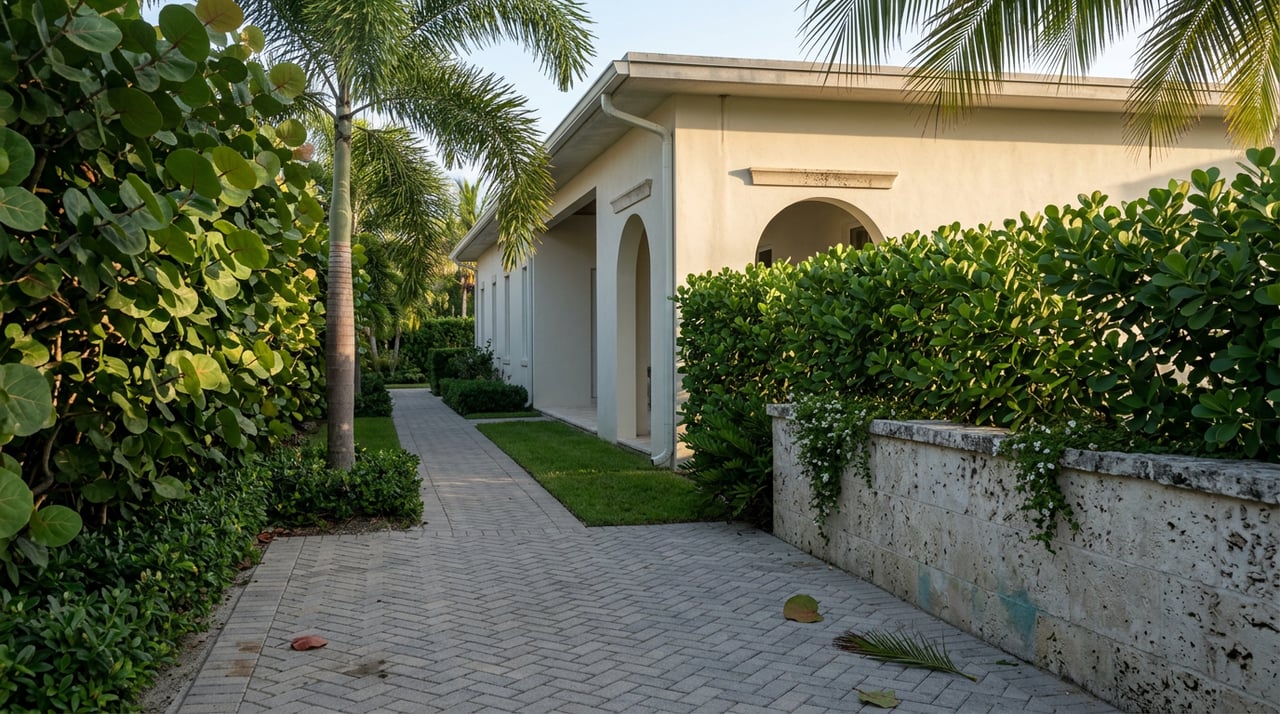
Guiding Mark's clients step-by-step through a landmark, emotional financial transaction and easing the process by finding them the best deals, is what Mark does best for his local and international clientele. Mark leverages his knowledge of the Miami Real Estate market and relationships with brokers, developers, attorneys, and investors in order to do so.