The Newport Pier Is Still Free. Everything Next To It Just Got A Price Tag.
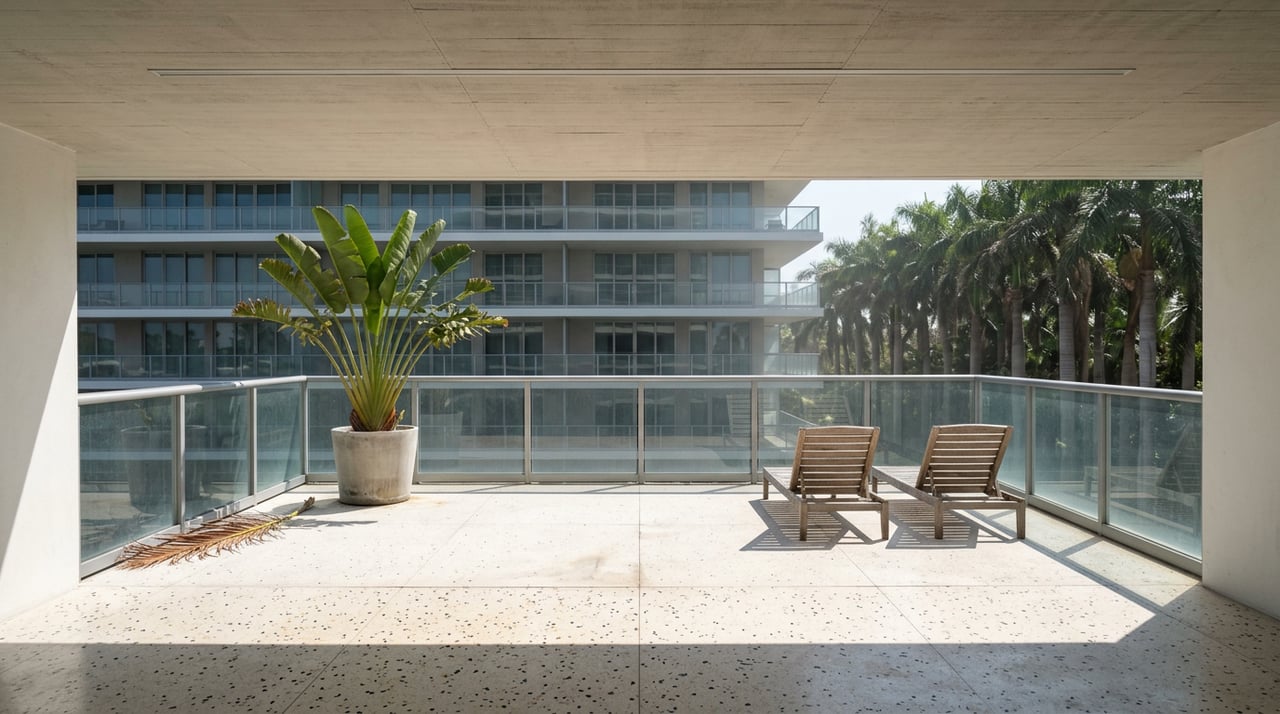
Walk out to the end of the Newport Fishing Pier on a Tuesday evening and the water looks the same as it always has, dark and moving under a string of dock lights. What's different is what's behind you. A year ago, that stretch of Collins Avenue near 167th Street was mostly construction fencing and a hotel that had been quietly aging since the Reagan administration. Now there's a bar built into the pier itself, a lobby cafe pulling espresso at 7am, and two minutes up the sand, a dining room that just spent real money making itself look new again.
None of this changed the pier. It changed everything standing next to it, and it changed it in a specific direction: outward at the bottom, upward at the top.
The Newport Fishing Pier has been public since 1936, which makes it older than almost anything else standing on this stretch of barrier island. It has survived a demolition threat in 1980, a historic designation in 1982 that saved it anyway, and Hurricane Wilma in 2005, which did enough structural damage that the city had engineers check it before deciding it had to come down and be rebuilt. It reopened in 2013 as the same 776-foot walk it had always been. Today it holds the distinction of being the last remaining public pier in Miami-Dade County, and it is still free to walk. You only pay if you're fishing.
That permanence matters because it's the fixed point everything else in this story moves around. The pier didn't get more exclusive this year. It didn't get less. It just got busier, because for the first time in a long time, there's a reason to linger at either end of it instead of just passing through.
The hotel that used to sit at the base of the pier was the Newport Beachside Hotel & Resort, a fixture since the 1960s that had been family-owned since 1984. It reopened on November 1, 2025 as The Sunny, under the same ownership, with a straightforward pitch: keep the pier, keep the history, replace almost everything else.
What actually landed inside that renovation is a small food economy with a real bottom rung. Lovebirds Cafe sits in the lobby and opens at 7am with pastries, breakfast burritos and coffee for anyone walking in off the street, not just hotel guests. A few steps toward the water, Sandbar at Newport Pier is built directly onto the historic structure, serving a Floridian Caribbean menu of fresh seafood and frozen cocktails to whoever wanders out to watch the sun go down. Inside the hotel proper, Julene is pitched as a neighborhood restaurant built around familiar American cooking, the kind of room the ownership clearly wants locals treating like their regular spot rather than a hotel dining room. And for the occasion nights, there's VIVA!, a Mexican-American concept from chef Ray Garcia, who brings his own name and style to the menu rather than a generic resort brand.
That's four distinct price points inside one address, and three of them don't require a room key to walk in the door.
Head north past The Sunny to Acqualina Resort and you find the other half of this story. Il Mulino New York, the Italian restaurant that's been anchoring Acqualina's dining scene for close to two decades, just finished its own renovation. This one didn't add a casual entry point. It refreshed the dining room and bar, sharpened the menu around the Italian classics regulars already knew, and reopened as a version of itself with a nicer finish, timed to lead into its 20th anniversary.
The pricing tells you what kind of renovation this was. Il Mulino still runs a three-course prix fixe lunch for $49 a person, Monday through Saturday from 11:30am to 3:30pm, the kind of number that keeps the door open to someone stopping in after the beach. But the full dinner experience, built around dishes like Peppercorn Filet Mignon, Chilean Seabass and handmade pastas, runs well past what a table costs at Julene or Sandbar a few hundred yards south.
Put the two projects side by side and you get a clean contrast. The Sunny renovated by adding rungs below the existing price ceiling. Il Mulino renovated by polishing the rung it was already standing on.
| Where | What It Actually Costs to Walk In | Reservation Needed | Best For |
|---|---|---|---|
| Lovebirds Cafe (The Sunny) | Coffee and a pastry | No | Morning before the pier |
| Sandbar at Newport Pier (The Sunny) | Seafood plates, frozen cocktails | Rarely | Sunset, no plan |
| Julene (The Sunny) | Neighborhood American dinner | Sometimes | A regular weeknight out |
| VIVA! (The Sunny) | Chef-driven Mexican-American | Yes | An occasion night |
| Il Mulino New York (Acqualina) | $49 lunch, three figures at dinner | Yes | A reservation you plan around |
A year ago, this stretch of Collins Avenue didn't have a ladder. It had a high end at Acqualina and not much organized underneath it. What The Sunny actually built this year isn't one restaurant or even four. It's the missing rungs.
It would be easy to write this as a list of new places to eat, and every one of those places would deserve a mention. But the more useful read for anyone who already lives here is what the spread means for how the evening actually works now.
Before this year, if you wanted a casual sunset drink near the pier, you were choosing between whatever was open on Collins and driving somewhere else. If you wanted a serious dinner, Acqualina was close to the only serious dinner in walking distance, and it came at Acqualina prices. There wasn't a middle. Now there's a five-minute walk that runs from a $6 coffee to a three-figure Italian dinner, with a casual seafood bar and a neighborhood dining room stacked in between. The pier hasn't changed what it costs to stand on it. What changed is that standing on it now puts you within reach of every price point the neighborhood offers, instead of just the top one.
That's the kind of shift that doesn't show up in a headline about a hotel reopening. It shows up in what a Tuesday actually looks like.
None of this requires choosing a side. The value of what's happened here is that you don't have to. The free public pier that's been standing since before most of the buildings around it existed is still exactly that, and now it's flanked by enough range in price and mood that a regular Tuesday and a planned-out Saturday can both start at the same spot and end up somewhere completely different.
That's not a story about a hotel renovation. It's a story about a neighborhood that quietly finished building its own middle.
If you're weighing what a stretch like this means for property values, resale pace, or where the next wave of buyer interest lands in Sunny Isles Beach, that's a conversation worth having with someone who tracks both the market and the ground-level detail. Mark Yaffe works this coastline closely enough to know which changes are cosmetic and which ones actually shift how a block lives. Work With Mark.
Stay up to date on the latest real estate trends.
Guiding Mark's clients step-by-step through a landmark, emotional financial transaction and easing the process by finding them the best deals, is what Mark does best for his local and international clientele. Mark leverages his knowledge of the Miami Real Estate market and relationships with brokers, developers, attorneys, and investors in order to do so.