On Palm and Hibiscus Islands, Price per Square Foot Measures the Wrong Thing
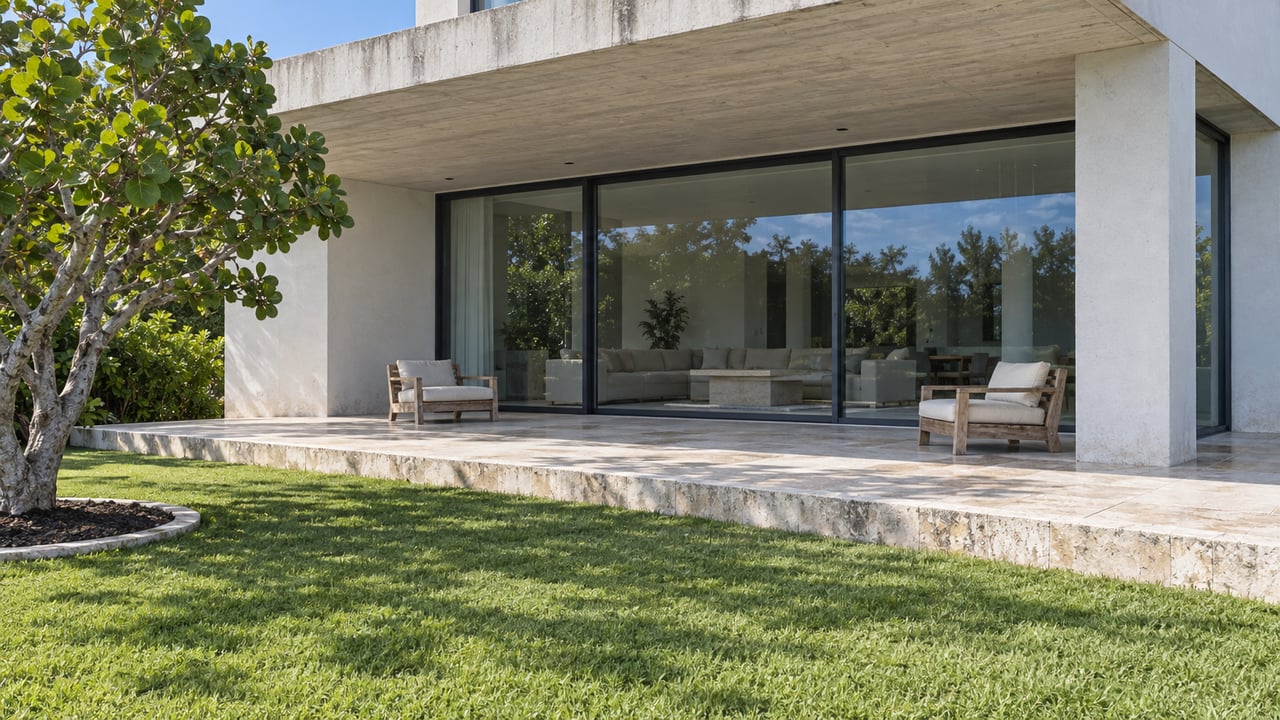
The house at 93 Palm Avenue was torn down in 2023. In August 2026, the empty lot where it stood sold for $21 million. Al Capone bought that Mediterranean-style home in 1928 for $40,000, and it was his final residence. In 2021 the previous owners paid $15.5 million for the house and the land together. Five years later, with no structure on the site, the land alone sold for $5.5 million more, according to the Miami Herald. The lot covers 30,000 square feet with 100 feet of water frontage. The Herald reported that the buyer was a developer.
That sale is a rare clean price for island land with nothing on it. Once you know what 100 feet of Palm Avenue bayfront costs as bare land, every other recent sale on Palm and Hibiscus can be split into two parts. One is the lot. The other is whatever the buyer paid on top for the house.
Two months after the Capone lot closed, 49 Palm Avenue sold for $29 million. The Real Deal reported it in October 2026 as a 100-year-old mansion with eight bedrooms on a 0.7-acre lot with 100 feet of water frontage. Miami-Dade Property Appraiser records show a 30,000-square-foot parcel, a main house built in 1926 with 5,681 square feet of living area, and a second building with 3,617 square feet. The prior qualified sale was in December 2004 at $4.87 million.
Put the two side by side. Both sit on Palm Avenue. Both parcels are 30,000 square feet. Both have 100 feet of frontage on Biscayne Bay. One had no house and sold for $21 million. The other had a century-old main house plus a second building and sold for $29 million. On that evidence, the buildings at 49 Palm added about $8 million, or a little under 28% of the price. Most of what the buyer paid for was the lot.
The pattern holds further back. In 2025, a 1958 house at 112 Palm Avenue sold off-market for $15 million. It has 5,200 square feet on 0.7 waterfront acres, according to The Real Deal. The seller had paid $8.6 million in 2015. About a year later, an empty Palm Avenue lot of roughly the same size cleared $21 million. A year separates the two trades. Even so, a 67-year-old house on the same island sold for less than bare land did in 2026.
Price per square foot of living space is the number most buyers reach for first. Here is that number for recent island sales, worked out from the reported prices and house sizes:
By this measure, a 4,097-square-foot house sold for nearly the same rate as the most expensive finished estate the two islands have recorded. A 2023 new build with 100 feet of Palm Avenue frontage ranks below it by almost half. A small house on a valuable lot spreads the land price over fewer square feet, so its per-foot figure rises. A large new house on the same kind of lot spreads it over more.
Living area is the wrong denominator on these islands because the scarce thing is not interior space. It is lot area and bayfront.
Redo the comparison using the sales where frontage was reported, and the order starts to follow what was actually built.
| Address | Sold | Price | Bay frontage | Price per frontage foot | What stood on it |
|---|---|---|---|---|---|
| 93 Palm Avenue | Aug 2026 | $21.0M | 100 ft | about $210,000 | Vacant lot |
| 370 South Hibiscus Drive | Jul 2025 | $31.8M | 122 ft | about $261,000 | 10,800 sq ft home with dock |
| 49 Palm Avenue | Oct 2026 | $29.0M | 100 ft | about $290,000 | 1926 main house plus second building |
| 270 South Hibiscus Drive | Aug 2026 | $51.5M | 120 ft | about $429,000 | Rebuilt estate on two lots, two docks |
| 40 Palm Avenue | Mar 2025 | $45.0M | 100 ft | about $450,000 | New home completed 2023 |
Read this way, the market falls into three tiers. Bare land on the bay set a 2026 reference point of about $210,000 per frontage foot. Established houses sold for roughly $260,000 to $290,000 per foot, so the house added somewhere between a quarter and two-fifths on top of the land. Finished contemporary estates sold for $430,000 to $450,000 per foot, about double the land rate.
Size alone doesn't explain the top tier. At 9,100 square feet, 270 South Hibiscus is smaller than the 10,800-square-foot house at 370 South Hibiscus. It still sold for $19.7 million more, with two feet less of frontage. The extra price paid for what was built and how recently it was finished.
The record sale shows how the top tier gets made. According to The Real Deal, a joint venture led by Luis Bosch of Luis Bosch Luxury Homes paid $19 million in 2021 for 270 South Hibiscus Drive as an unfinished shell. The venture then had it redesigned and completed. SAOTA did the architecture, ARRCC did the interiors and Raymond Jungles designed the landscape. The finished house has five bedrooms, a nightclub, a pool, a fitness center and two private docks that can take a yacht up to 105 feet. The $32.5 million gap between the 2021 entry price and the 2026 exit price had to cover the redesign, the construction and five years of holding.
A developer quoted in the Miami Herald's coverage of the Capone lot described the same logic. Jorge Castellano builds luxury spec homes, often on teardown sites, and told the Miami Herald:
"Depending on what your entry price is, that determines what your exit price has got to be."
The Herald framed his point around a broader trend: high land prices in Miami-Dade's most desirable areas push the price of whatever gets built on them even higher.
Records on the islands have moved accordingly. In 2024 the top prices were $40.3 million at 101 North Hibiscus Drive and $40 million for a spec home on Palm Island. Then 40 Palm Avenue reached $45 million in March 2025, and 270 South Hibiscus reached $51.5 million in August 2026.
Developers are buying the houses that trade near land value, which points the same way. Developer Robert Rivani bought a home on Hibiscus Island for about $20 million, as the South Florida Business Journal reported in early October 2026. The property is 271 North Hibiscus Drive. The sale closed in September 2026 at $19.775 million for a 9,131-square-foot house. County records show a house built in 2007 on a 14,000-square-foot lot, last sold in November 2007 for $9 million. A developer paying about 2.2 times a 2007 price for a 2007 house fits the logic of the table. The lot and its position hold the value, and the building is the part a new owner can change.
For a buyer comparing two island listings, the useful questions follow from that. How much of the asking price would the lot alone fetch on today's evidence? How much premium is the house asking on top of it? A 1950s or 2000s house priced close to land value is being sold mostly as land. A recently finished estate is asking the premium of the top tier. On these islands, two listings with the same square footage can be priced on entirely different terms.
Why are Palm and Hibiscus usually grouped together? The two islands connect by a bridge off the MacArthur Causeway. Both are gated luxury residential neighborhoods in Miami Beach, as The Real Deal describes them. A buyer is choosing between the same gate and the same causeway access.
Is the city's street work on the islands finished? The City of Miami Beach's Palm & Hibiscus Islands Neighborhood Improvement Project page lists the project as completed. Its scope covered lighting, concrete valley gutters, drainage, pump stations, raising and rebuilding the roads, and a multipurpose path. The page also describes Hibiscus Island as prepared for the undergrounding of utilities.
Does a historic house protect a lot's value? The Capone house carried more history than any house on either island. It was demolished in 2023 even though almost 26,000 people had signed a petition to keep it standing, the Miami Herald reported. Three years later, the bare lot sold for more than the house and lot had sold for in 2021. On these islands, the history mattered less to the price than the 100 feet of water frontage.
If you are weighing a Palm or Hibiscus property and want the asking price split into its land value and its house premium using the most recent island sales, Mark Yaffe can work through that comparison with you, discreetly and address by address. Work With Mark.
Stay up to date on the latest real estate trends.
Guiding Mark's clients step-by-step through a landmark, emotional financial transaction and easing the process by finding them the best deals, is what Mark does best for his local and international clientele. Mark leverages his knowledge of the Miami Real Estate market and relationships with brokers, developers, attorneys, and investors in order to do so.