Comparing Oceanfront Living Options In Key Biscayne
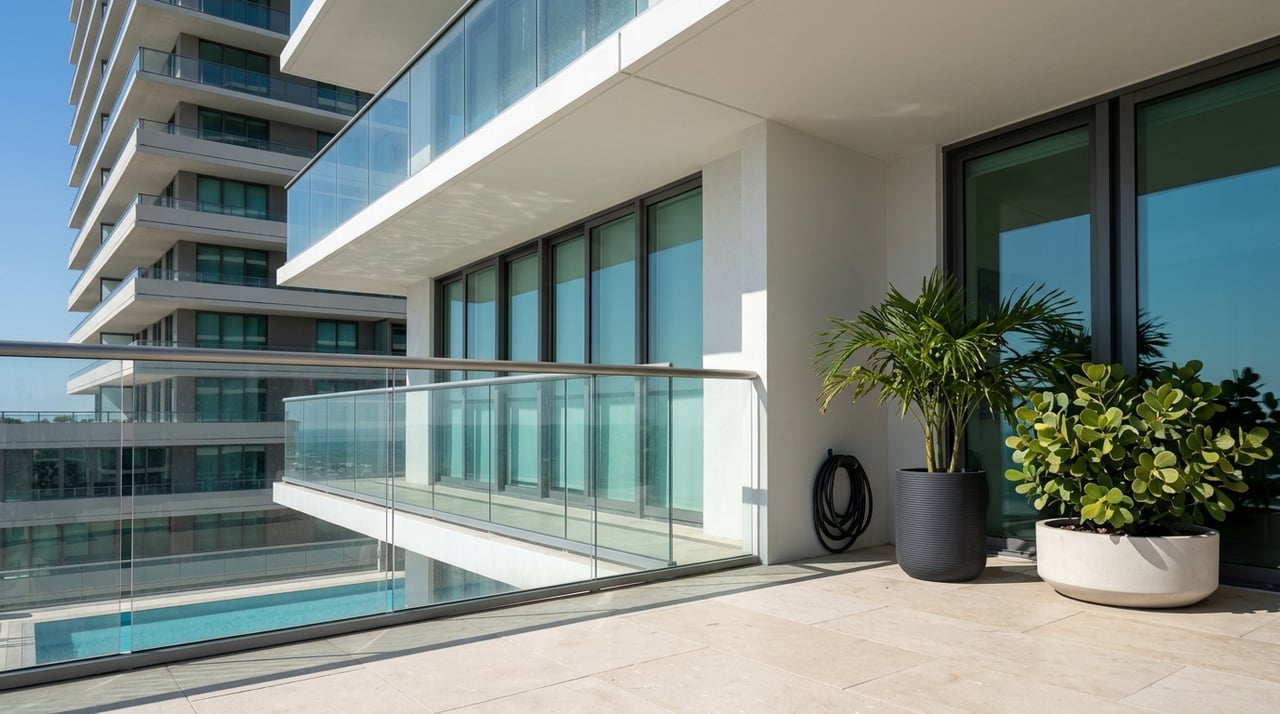
If you are weighing oceanfront living in Key Biscayne, the real question is not just which property looks best on paper. It is which ownership model fits how you actually want to live, travel, and manage a coastal home. On an island with limited land, only one road in and out, and real maintenance and climate considerations, that choice matters. Let’s dive in.
Key Biscayne is a compact barrier island of about 1.4 square miles, bordered by the Atlantic Ocean on one side and Biscayne Bay on the other. That setting creates the rare waterfront lifestyle many buyers want, but it also shapes how homes are built, maintained, and evaluated over time.
The village is also low-lying. The U.S. Army Corps of Engineers notes an average elevation of 3.4 feet and identifies storm surge, rainfall flooding, wave attack, sea-level rise, and evacuation-route protection as central planning concerns. In practical terms, oceanfront ownership here should always be viewed through both a lifestyle lens and a risk-management lens.
There is also a clear ownership culture in Key Biscayne. Census data shows a 2020 population of 14,809, a 66.6% owner-occupied housing unit rate for 2020 through 2024, and a median owner-occupied housing value of $1,575,300. Miami-Dade housing data also points to a meaningful seasonal or occasional-use segment, which helps explain why the market appeals to both full-time residents and second-home buyers.
When you compare oceanfront condos and single-family homes in Key Biscayne, you are really comparing delegated ownership versus direct ownership. Both can deliver an exceptional coastal lifestyle, but they solve very different problems.
A condo is often the better fit if you want a more lock-and-leave setup. Building-level operations are generally handled through the association structure, which can reduce the amount of day-to-day property oversight you personally manage.
That convenience comes with shared governance and shared financial responsibility. Under Florida law, residential condominium associations for buildings three habitable stories or higher must complete a structural integrity reserve study at least every 10 years, and existing unit-owner-controlled associations had to complete that study by December 31, 2025. The required review includes major building components such as the roof, structure, fire protection, plumbing, electrical systems, waterproofing, windows, and exterior doors.
Miami-Dade adds another layer through its recertification process. Coastal properties become subject to recertification at 25 years, while inland properties do so at 30 years, with reports due within 90 days of notice. For condo buyers, that means a residence that feels turnkey may still sit within a building that requires serious capital planning.
A single-family home usually works better if you want more privacy, more land control, and more freedom to customize the property. You are not operating inside a building-wide association framework in the same way, and local recertification rules do not apply to single-family homes.
Florida’s milestone-inspection law also exempts single-family dwellings with three or fewer habitable stories above ground. That does not reduce the importance of maintenance. It simply shifts more of the responsibility directly to you as the owner.
In practice, that can mean managing the roof, drainage, storm-hardening measures, landscaping, pool systems, and site improvements more directly. For many buyers, that tradeoff is worth it because it comes with greater autonomy and a more traditional house experience.
Current market data in the 33149 zip code shows a clear pricing and liquidity gap between condos and single-family homes.
| Property type | Closed sales Q1 2026 | Median sale price | Active listings | Months of supply | Median time to contract |
|---|---|---|---|---|---|
| Single-family homes | 10 | $4.16M | 45 | 13.8 | 210 days |
| Condos/townhomes | 48 | $1.197M | 106 | 7.4 | 92 days |
This split is meaningful. Condos are the more active and lower-entry segment, while single-family homes are scarcer, more expensive, and slower to absorb. If you are trying to balance lifestyle goals with flexibility, this data helps frame expectations.
For some buyers, the condo market offers a more efficient point of entry into oceanfront Key Biscayne. For others, the slower and more limited single-family segment is exactly the appeal, especially when privacy and land control matter more than speed.
In Key Biscayne, both property types benefit from a strong public amenity base. Bill Baggs Cape Florida State Park offers 1.25 miles of natural beach, paved bike trails, fishing piers, showers, restrooms, and paddle and kayak access. Crandon Park adds golf, 27 tennis courts, a marina, and a visitor and nature center, along with beach ecosystems that include dunes, mangroves, coastal hammock, and seagrass beds.
The Village’s Beach Park adds another layer of resident access, with oceanfront waterfront entry limited to Key Biscayne residents via key fob. Taken together, these amenities give the island an unusually strong wellness and recreation profile for such a compact location.
A condo often makes sense if your priority is convenience. If you travel often, split time between multiple residences, or want an executive base with fewer hands-on ownership demands, the condo format tends to align well with that goal.
That is especially true on Key Biscayne because the Rickenbacker Causeway is the island’s only land connection. If ease of departure and limited on-site upkeep matter to you, a condo can offer a cleaner operational fit.
A single-family residence often feels more natural if you plan to use Key Biscayne as a full-time base or want a more customized day-to-day routine. More indoor-outdoor space, greater privacy, and direct control over the property can make a house the stronger long-term match.
This is not a hard rule. It is simply the practical result of how the ownership structures differ on an island where both lifestyle quality and property stewardship carry real weight.
Oceanfront living in Key Biscayne should always include serious due diligence. The product type you choose will affect not only your monthly costs, but also how maintenance responsibility is assigned and how future capital needs may appear.
If you are considering a condo, focus on the building as much as the unit. Key items to review include:
Florida’s condo-safety framework is strict by design, and Miami-Dade’s coastal recertification process is active. That makes financial and physical building review essential, especially in older oceanfront inventory.
If you are considering a home, your diligence should center on site and structure. Important items include:
Miami-Dade states that FEMA flood maps are used to identify risk, that mandatory flood insurance applies in high-risk zones, and that an elevation certificate is important for new construction and substantial-improvement work. On a low-lying barrier island, these are not secondary details. They are core ownership considerations.
The best choice usually becomes clearer when you stop asking which property is more prestigious and start asking which one matches your preferred level of involvement.
If you want simplicity, shared oversight, and a lower-friction second-home setup, a condo is often the better fit. If you want privacy, control, and the ability to shape the property more directly, a single-family home is often the stronger answer.
Key Biscayne is not just a luxury address. It is a coastal environment with limited land, active regulation, and meaningful exposure to weather and infrastructure realities. The smartest purchase is the one that matches both your lifestyle goals and your willingness to own the operational side of the property.
For buyers taking a disciplined approach, this is where experienced local guidance matters most. You want to evaluate not only the residence itself, but also the ownership structure, market position, and long-term stewardship demands that come with that choice.
If you are comparing oceanfront condos and homes in Key Biscayne, Mark Yaffe offers a discreet, research-driven approach designed to help you align lifestyle priorities with smart acquisition strategy.
Stay up to date on the latest real estate trends.
Guiding Mark's clients step-by-step through a landmark, emotional financial transaction and easing the process by finding them the best deals, is what Mark does best for his local and international clientele. Mark leverages his knowledge of the Miami Real Estate market and relationships with brokers, developers, attorneys, and investors in order to do so.