Palm Or Hibiscus Island For Your Next Estate
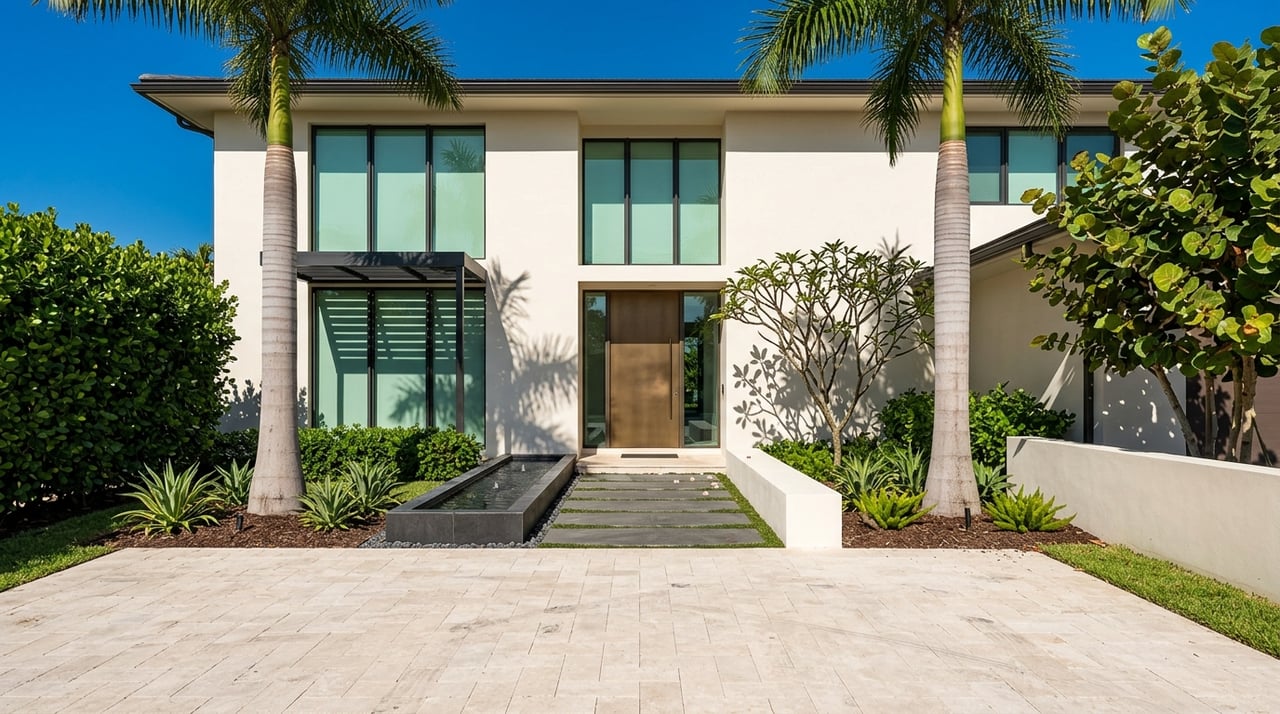
Trying to decide between Palm Island and Hibiscus Island for your next Miami estate? It is a smart question, because these neighboring islands share the same prestigious MacArthur Causeway corridor but offer meaningfully different buying experiences. If you want to compare lot size, waterfront potential, architecture, and overall estate fit with more clarity, this guide will help you separate the similarities from the details that truly matter. Let’s dive in.
Palm Island and Hibiscus Island are man-made residential islands in Biscayne Bay, positioned between Miami and Miami Beach off the MacArthur Causeway. City of Miami Beach historic records note that Palm Island was built from 1919 to 1921, while Hibiscus Island followed from 1921 to 1924. Both islands have long been part of the same luxury residential corridor, with direct regional access shaping their appeal from the start.
Today, both islands remain highly relevant for estate buyers who want a private island setting without giving up convenience. City planning activity also continues to shape the area, including the Palm & Hibiscus Islands neighborhood infrastructure project focused on drainage, pump stations, road raising and rebuilding, paving, and utility-undergrounding readiness on Hibiscus. For a buyer thinking long term, that infrastructure context is worth noting.
One of the strongest advantages of both islands is simple: you are not making a compromise on access. City documents place them midway between Miami and Miami Beach, just off the MacArthur Causeway and roughly 1,200 to 1,700 feet north of the Port of Miami. In practical terms, that means the decision between Palm and Hibiscus is usually less about commute patterns and more about the type of estate setting you want.
Both islands also include neighborhood park space. Palm Island Park at 159 Palm Avenue has a playground, tennis courts, basketball, pickleball, and open field space. Hibiscus Island Park is located at 113 West Palm Midway, adding another public amenity within the neighborhood fabric.
If your first priority is land, Palm Island stands out for its broader range of lot sizes. A City of Miami Beach lot analysis for the west-side RS-4 study area found 39 parcels ranging from 3,084 to 9,000 square feet, with an average lot size of 6,393 square feet and a median and mode of 6,000 square feet. Current interior-street listings align with that pattern, showing parcels around 6,000, 6,600, 9,000, and 9,600 square feet.
The real difference appears on the waterfront. Current Palm Island market examples include a 0.69-acre lot with more than 100 feet of waterfront, a 32,000-square-foot lot with 100 feet of frontage, and a 60,000-square-foot property with 200 feet of prime water frontage. For buyers planning a substantial estate program, that kind of spread creates more options for guest accommodations, outdoor living, docks, and larger landscape plans.
Palm Island gives you more flexibility if you want to think beyond a standard luxury home. The island’s lot profile suggests stronger potential for buyers focused on oversized parcels, wider frontage, or compound-style scale. That does not guarantee every site will support every vision, but it does make Palm especially attractive when the land itself is part of the strategy.
Hibiscus Island presents a somewhat more consistent estate-lot pattern in current records and inventory. A City of Miami Beach design-review file for 140 South Hibiscus Drive lists a 10,500-square-foot RS-3 lot, while city records for 218 South Hibiscus Drive describe a parcel of roughly 31,500 square feet. Current listings also show larger bayfront or corner sites around 19,466 and 19,717 square feet, each with substantial waterfront frontage.
That mix suggests a more uniform feel overall, with occasional oversized waterfront exceptions. For some buyers, that is a plus. If you want an island environment where estate parcels read more consistent from one property to the next, Hibiscus may feel more predictable and easier to compare at a glance.
Hibiscus often makes sense if you want a prestigious island address with strong estate credentials but less emphasis on maximum land assembly. The appeal is not about being lesser. It is about being more standardized, more streamlined, and in many cases more aligned with buyers who value a polished waterfront setting with a modern lean.
Both islands work well for buyers who care about water and skyline views, but the emphasis differs slightly in current market language. Palm Island listings often highlight panoramic bay and skyline views, with larger waterfront sites also calling attention to Government Cut, cruise ship activity, and direct ocean access. That gives Palm a particularly strong identity for buyers drawn to wide visual corridors and a more dramatic maritime setting.
Hibiscus listings often emphasize unobstructed Downtown Miami views, southwest-facing exposure, or broad Biscayne Bay outlooks. Point, corner, and western-facing parcels appear especially relevant here. If your ideal backdrop is more downtown-oriented, Hibiscus may align more closely with that preference.
If you are deciding between the two, think less about whether one has views and the other does not. Both do. The more useful question is which view orientation best matches how you want the property to live day to day.
For boating-focused buyers, Palm Island appears to have the edge on the largest waterfront frontages. Current market examples point to larger stretches of water frontage that can support wider docks and more expansive waterfront programming. If your estate brief includes a serious dock setup or a larger boating lifestyle component, Palm deserves close attention.
Hibiscus still offers strong boating access and private dock potential. The difference is that typical parcels appear narrower than the largest Palm waterfront sites. In other words, Hibiscus can still serve a waterfront buyer very well, but Palm may provide more flexibility at the top end of the market.
Palm Island has the deeper historic layer. City historic records describe Palm’s early development and note Mediterranean Revival as central to the island’s early architectural story, including early Spanish-type residences. Current inventory shows a broad age spread, with homes dating from 1925 through newer or rebuilt properties from 2009, 2018, 2019, 2022, and 2026.
That creates a distinct mix of legacy character and trophy rebuild opportunity. For some buyers, Palm feels compelling because the island can accommodate both a historic sensibility and a highly ambitious modern estate vision.
Hibiscus also spans multiple eras, but the current sample leans more contemporary. Recent listings include homes from 2017, 2020, 2022, and 2026, along with at least one 1950s home and a 1951 city design-review file. In practical terms, Hibiscus currently reads as the more modern island.
If you appreciate prewar roots, architectural variety, and the possibility of finding a property with more historic context, Palm may feel more layered. If you prefer a cleaner contemporary read across current inventory, Hibiscus may feel more aligned with your taste. Neither choice is inherently better. It depends on whether you want heritage, modernity, or a blend of both.
For buyers considering a major renovation or ground-up rebuild, lot size is only one part of the story. Miami Beach planning documents show Palm’s west-side RS-4 area with a 6,000-square-foot minimum lot area and a 50-foot minimum width. City records also identify RS-3 parcels on Hibiscus, including 140 South Hibiscus Drive.
What matters is that Design Review Board review and resiliency criteria can materially affect what you may be able to build, expand, or reconfigure. That is especially important on islands where waterfront conditions, lot dimensions, and neighborhood context all play a role. A disciplined property search should look at the site, zoning context, and review pathway together rather than relying on lot size alone.
For many buyers, the right answer comes down to how you rank land, frontage, design style, and view orientation.
Palm Island and Hibiscus Island share the same elite corridor, strong access, and rare residential setting in Biscayne Bay. The real difference is not prestige. It is how each island expresses luxury through lot size, waterfront scale, architecture, and view orientation.
If your goal is the broadest estate canvas with more room for a major waterfront program, Palm Island often stands out. If you want a more consistent estate-lot environment with a more contemporary feel, Hibiscus can be the stronger fit. The key is making the choice with a clear, property-level strategy rather than relying on reputation alone.
When you are ready to evaluate Palm or Hibiscus with a sharper eye on lot quality, waterfront utility, and long-term fit, Mark Yaffe offers the discreet, research-driven guidance that luxury buyers expect.
Stay up to date on the latest real estate trends.
Guiding Mark's clients step-by-step through a landmark, emotional financial transaction and easing the process by finding them the best deals, is what Mark does best for his local and international clientele. Mark leverages his knowledge of the Miami Real Estate market and relationships with brokers, developers, attorneys, and investors in order to do so.