Evaluating Pre-Construction Penthouses In Sunny Isles
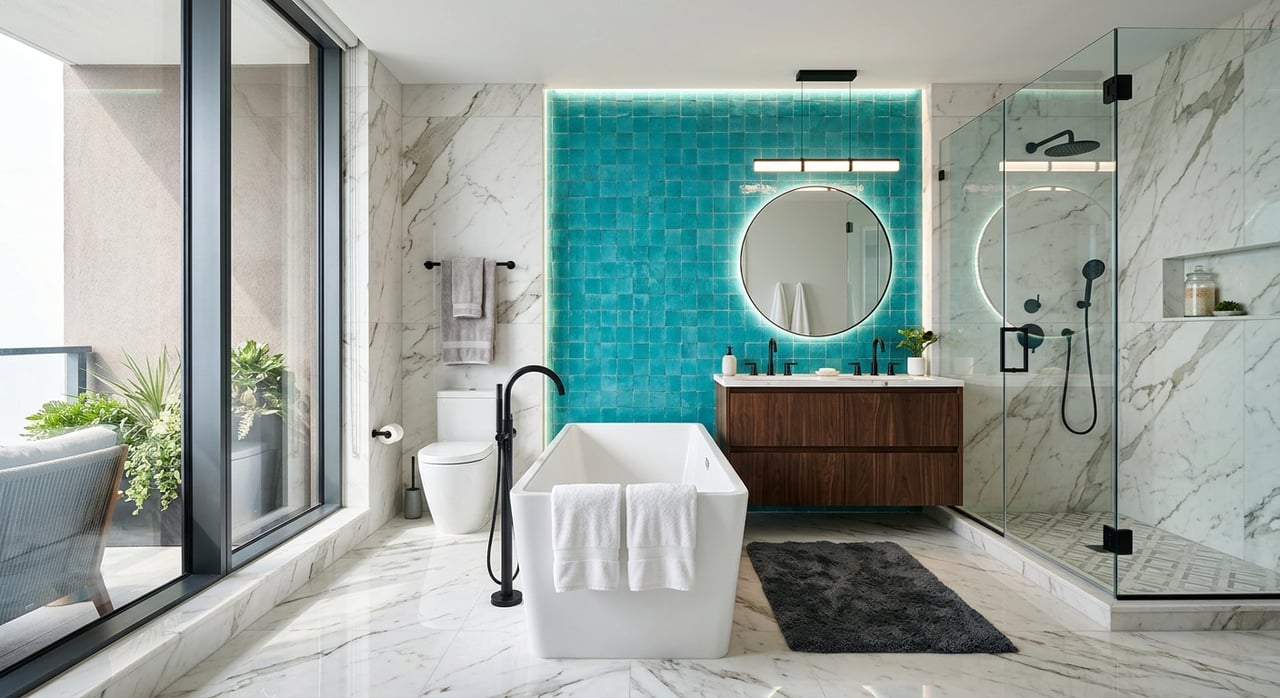
What looks spectacular in a sales gallery can feel very different on paper. If you are considering a pre-construction penthouse in Sunny Isles Beach, you are likely balancing view, privacy, timing, and long-term value all at once. The good news is that Florida’s disclosure rules and the city’s planning framework give you useful tools to evaluate beyond the rendering. Let’s dive in.
Sunny Isles Beach is not a broad mainland market. It is a compact barrier-island city of about 1.78 square miles, with Collins Avenue serving as the main north-south corridor and multiple beach-access points along that stretch.
That matters because penthouse value here is closely tied to position. On a narrow island with both oceanfront and waterway-facing exposure, the line you choose can shape your views, privacy, light, and future obstruction risk.
The city’s approved development pipeline shows that Collins Avenue remains an active zone for new luxury projects, including Miami Beach Club, St. Regis Residences, and Bentley Residences. In a market where new towers continue to enter the corridor, you should evaluate not just the residence, but also how the building sits within the broader beachfront context.
A penthouse purchase should begin with the actual line selection. Renderings can communicate mood and design intent, but they do not replace the legal and physical details that define what you are buying.
Under Florida law, when a developer offers residential units before completion, the complete plans and specifications must be available for inspection at a place convenient to the site. The prospectus must also include the unit floor plan and a plot plan showing the buildings and common areas.
In practical terms, that means your review should focus on what the documents reveal about layout, flow, and orientation. For a Sunny Isles penthouse, this is often where the most important differences appear.
The floor plan can tell you far more than the brochure.
Look closely at:
A large penthouse can still underperform if the circulation is awkward or the outdoor space is more decorative than usable.
The plot plan helps you understand the penthouse in relation to the full building and site.
This is where you can assess how the tower sits on the parcel, where amenities are placed, and how common areas relate to residential lines. It can also help you identify whether your penthouse may sit above mechanical zones, amenity decks, or other active building areas that affect privacy or quiet enjoyment.
In Sunny Isles Beach, exposure is not a minor detail. It is often one of the main drivers of a penthouse premium.
Because the city is a narrow barrier island, east-facing, west-facing, and wraparound lines can offer very different living experiences. Oceanfront exposure may deliver the headline view, while other lines may offer a broader sweep, more sunset light, or a different privacy profile.
The city’s planning framework also emphasizes beach access, ocean-view corridors, front setbacks east of Collins Avenue, and resilience considerations along the beachfront corridor. For you as a buyer, that means building siting and line position should be treated as core evaluation points, not lifestyle extras.
When comparing penthouses, ask:
In a market with ongoing luxury development, the best penthouse is not always the highest one. Often, it is the one with the smartest relationship to the site.
Luxury buyers often focus on finishes first. In pre-construction, however, the amenity package deserves the same level of scrutiny.
Florida prospectus rules require detailed descriptions of recreational and common facilities, including location, capacity, ownership or lease structure, and any costs or rent tied to their use. That gives you a framework for judging whether the amenity story is truly part of the offering or simply part of the marketing.
For a penthouse buyer, this matters because a major price premium is often tied to the full lifestyle package. If the amenities are central to the value proposition, you should understand what is actually committed to be built, operated, and maintained.
Ask whether the amenities are:
A polished presentation is not enough. The more expensive the residence, the more important it is that the amenity program feels durable, not promotional.
A strong brand name can attract attention, but your due diligence should go deeper than branding. Florida requires developers to file the required condominium documents before offering units to the public, and for projects with more than 20 residential units, a prospectus or offering circular is required.
The Florida Department of Business and Professional Regulation states that filing is for compliance and disclosure purposes only. It is not the same as substantive approval of the offering.
That distinction is important. A filed project is not a risk-free project. It simply means the disclosure process has been followed.
The prospectus must identify the developer and the principal directing creation and sale of the condominium, and it must state their experience in the field. For many buyers, this is one of the best starting points for evaluating execution risk.
Use it to compare:
If you are evaluating several towers at once, this is where a more disciplined comparison often begins.
Pre-construction contracts deserve careful review because timing and amendment rights can materially affect your position.
Under Florida law, the standard developer contract is voidable by the buyer within 15 days after execution and receipt of the required documents. The law also provides that a materially adverse amendment can restart that voidability window.
The same statute requires the contract to warn buyers not to rely on oral representations instead of the written documents. In other words, if it matters, it should be in the paper.
Your request list should include:
Miami REALTORS’ new-construction due-diligence checklist also advises buyers to consult qualified legal, financial, insurance, and engineering professionals when reviewing the package. For a high-value penthouse purchase, that is a practical step, not an optional one.
Headline price gets attention, but deposit structure affects risk and flexibility. If construction is not substantially complete, Florida law requires up to 10% of the sale price to be placed in escrow, with additional payments held in a special escrow account until closing or until the statute allows release.
DBPR also states that reservation deposits may be accepted before filing if the developer has the proper reservation program and escrow agreement in place. Those reservation deposits must be refundable on request.
That means your review should cover more than the amount due at signing. You should also understand where funds are held, when they may be released, and how the reservation process works if you are entering early.
A pre-construction penthouse usually trades at a premium, but the premium should be tested against market context. In the Q4 2025 Elliman and Miller Samuel report for Sunny Isles condos, the average sales price was $1,616,914, the average price per square foot was $969, the median sales price was $752,500, and average days on market were 154.
The report also noted that sales and listing inventory increased year over year. That does not set a direct price for a new penthouse, but it does give you a useful resale benchmark when judging whether a new development premium is supported by location, design, exposure, and building program.
For sophisticated buyers, this comparison helps answer a simple question: are you paying for true scarcity and superior product, or just newness?
If future flexibility matters to you, the use restrictions deserve careful attention. Florida prospectus rules require disclosure of unit-use restrictions, including leasing restrictions, as well as any mandatory membership or rent or land-use fees tied to recreational or commonly used facilities.
This is especially important if the penthouse may serve multiple purposes over time, such as a primary residence, a seasonal residence, or a longer-term hold. Restrictions can shape how the property fits your plan long after the excitement of launch day is over.
Sunny Isles planning documents place clear emphasis on hurricane, flood, and climate-resilience considerations. For a coastal penthouse, that means your analysis should include the building’s long-term operating realities, not just its finishes and views.
A beautiful residence in a well-positioned tower can still be a weaker choice if the operating budget feels unrealistic or the amenity model appears difficult to sustain. In this market, resilience is part of product quality.
If you want to simplify the process, focus on five questions:
That framework can help you filter through glossy presentations and concentrate on what actually drives value in Sunny Isles Beach.
For buyers evaluating top-of-market opportunities, a measured review almost always produces a better outcome than a fast emotional decision. If you want discreet, research-driven guidance on Sunny Isles penthouses and new-development opportunities, connect with Mark Yaffe.
Stay up to date on the latest real estate trends.


Guiding Mark's clients step-by-step through a landmark, emotional financial transaction and easing the process by finding them the best deals, is what Mark does best for his local and international clientele. Mark leverages his knowledge of the Miami Real Estate market and relationships with brokers, developers, attorneys, and investors in order to do so.