Kane Concourse Filled In This Year. The Next Change Is Already Under Construction.
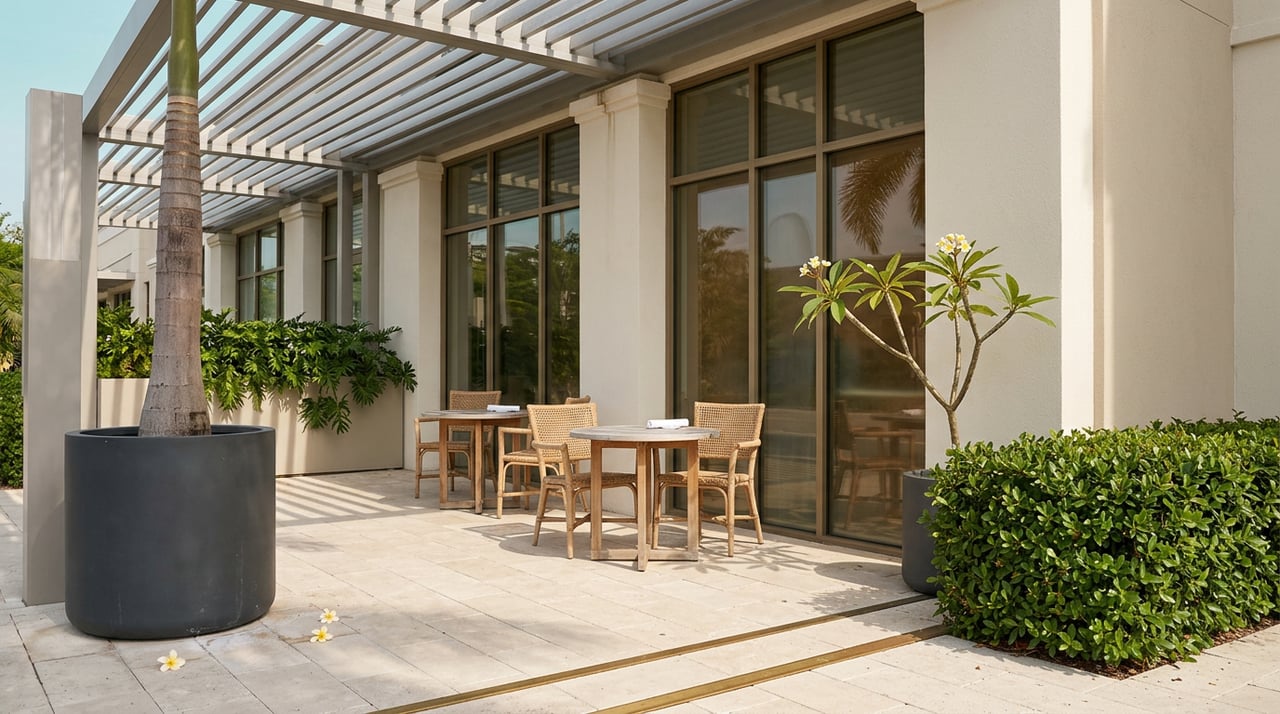
You know the six or seven blocks between 96th and 102nd Street on Kane Concourse well enough to walk them without looking up. You know where to park after 6 p.m., which sidewalk table catches the breeze off the bay, and which restaurant takes reservations versus which one you just show up to. What you might not have clocked yet is how much of that stretch has quietly turned over in the last year, or that the biggest change to how it feels to walk this block is still eight months away and has nothing to do with food.
Start with what hasn't moved, because that's the part everyone assumes stays the same forever in a town this size. Le Zoo is still doing French bistro plates. Carpaccio and Emilio's Trattoria are still holding down Italian on either end of the strip. Makoto is still the sushi answer when you don't want to think about where to go. Flanigan's Seafood Bar and Grill is still the casual, order-at-the-bar option when you want dinner without the production. Cafe Ragazzi is still there for the same reason it's always been there. These are the restaurants that make Kane Concourse feel like a neighborhood instead of a commercial strip, and none of them are going anywhere.
What's changed is what's filled into the smaller storefronts around them, and the most interesting addition is easy to miss because it doesn't look like it's trying to be found. At 1052 Kane Concourse, a husband and wife team, Chef Rubén Samayoa from Baja Mexico and Chef Sharon Morla from Lima, Peru, opened a 32-seat farm-to-table spot under her name. They cook, plate, and serve the food themselves. The menu blends both of their backgrounds into shareable plates, a ceviche tostada, hamachi with beet and passion fruit, aguachile shrimp, Baja-style fish tacos, whole branzino, and it's the kind of place that rewards the people who already live close enough to stumble into it rather than drive in for it.
That's worth sitting with for a second. Bay Harbor Islands doesn't have the kind of restaurant turnover you'd get on a tourist corridor, where a storefront changes concept every eighteen months chasing foot traffic. What filled in this year did so slowly and quietly, one owner-operated concept at a time, next to a health-food spot at 1001 Kane Concourse and the same bakery and cafe counters that have anchored the morning routine for years. That's a small-town retail pattern, not a big-development one. It's also about to collide with one.
Before the buildings change, the rules already have. On July 29, the Town Council approved Ordinance 1145, which bars anyone under 16 from riding e-scooters, e-bikes, and e-motorcycles, and separately prohibits using those vehicles on town sidewalks at all, regardless of age. If you've noticed more of these on Kane Concourse over the past couple of summers, that's not a coincidence. A six-block strip with sidewalk cafes, narrow crosswalks, and a growing dinner crowd is exactly the kind of corridor where a town council starts writing rules about who can ride what and where before a bigger problem shows up. The ordinance reads like a town getting ahead of density it hasn't fully absorbed yet.
Here's the part that changes the math on all of it. Directly across from Bal Harbour Shops, developers Taubco and Landau Properties are building One Kane Concourse, a seven-story, roughly 75,000-square-foot Class A office building designed by architect Luis Revuelta, financed with a $74 million construction loan from 3650 Capital. It's slated for completion in late 2026. The building includes a ground-floor waterfront restaurant and private boat dockage for tenants, a detail that only makes sense if you think about who's meant to use it: people who might commute to work on Kane Concourse by boat.
That's not a rounding error on a residential strip. A seven-story office building brings a lunch crowd, a parking demand, and a five-day-a-week foot traffic pattern that the current restaurant row was not built around. The restaurants that have spent this year filling in around Le Zoo and Makoto were built for dinner reservations and weekend brunch. What's arriving next door is a daytime population that didn't exist on this block before, eating lunch on a schedule that has nothing to do with sunset. If you've gotten used to easy parking on a Tuesday afternoon, that's the thing most likely to change first, well before any restaurant's menu does.
None of this touches the parts of Kane Concourse that don't depend on a lease or a construction loan. The Bay Harbor Islands Arts Festival returned this year for its fourth run over MLK holiday weekend, right on Kane Concourse, with more than 60 local artists, live performances, food and drink from local vendors, and a children's area built into the same stretch of sidewalk where you'd otherwise be walking to dinner. It's free, it's open to the public, and it's become enough of a fixture that it now has a track record instead of just a debut. This spring, the town also ran its Night Artisan Market on the same strip, an evening market format that's become part of the annual rhythm rather than a one-off event.
Those two dates matter more than they might seem to on paper, because they're proof that the corridor's identity isn't only what gets leased or built. It's also what the town keeps choosing to put back on the same six blocks every year, on purpose, regardless of what's under construction across the street.
Put those pieces next to each other and the story isn't really about any single restaurant or any single ordinance. It's that Kane Concourse spent this year filling in the way small commercial strips fill in, slowly, with owner-operated concepts that reward people who already live close enough to notice them. At the same time, the town started writing rules for a level of sidewalk activity it hadn't needed to regulate before, and a seven-story office building with its own dock is about to introduce a lunch crowd that has never existed on this block. The restaurant row you know is still the backbone. The reason it's about to feel different has almost nothing to do with food, and almost everything to do with who's walking past those restaurants on a Tuesday at noon starting sometime after this building tops out.
If you're weighing what a home near this corridor is actually worth, given where the neighborhood is heading next, Mark Yaffe can walk you through it. Work With Mark.
Stay up to date on the latest real estate trends.
Guiding Mark's clients step-by-step through a landmark, emotional financial transaction and easing the process by finding them the best deals, is what Mark does best for his local and international clientele. Mark leverages his knowledge of the Miami Real Estate market and relationships with brokers, developers, attorneys, and investors in order to do so.